Intentional Design: How to Create a Home That Truly Works for Your Life
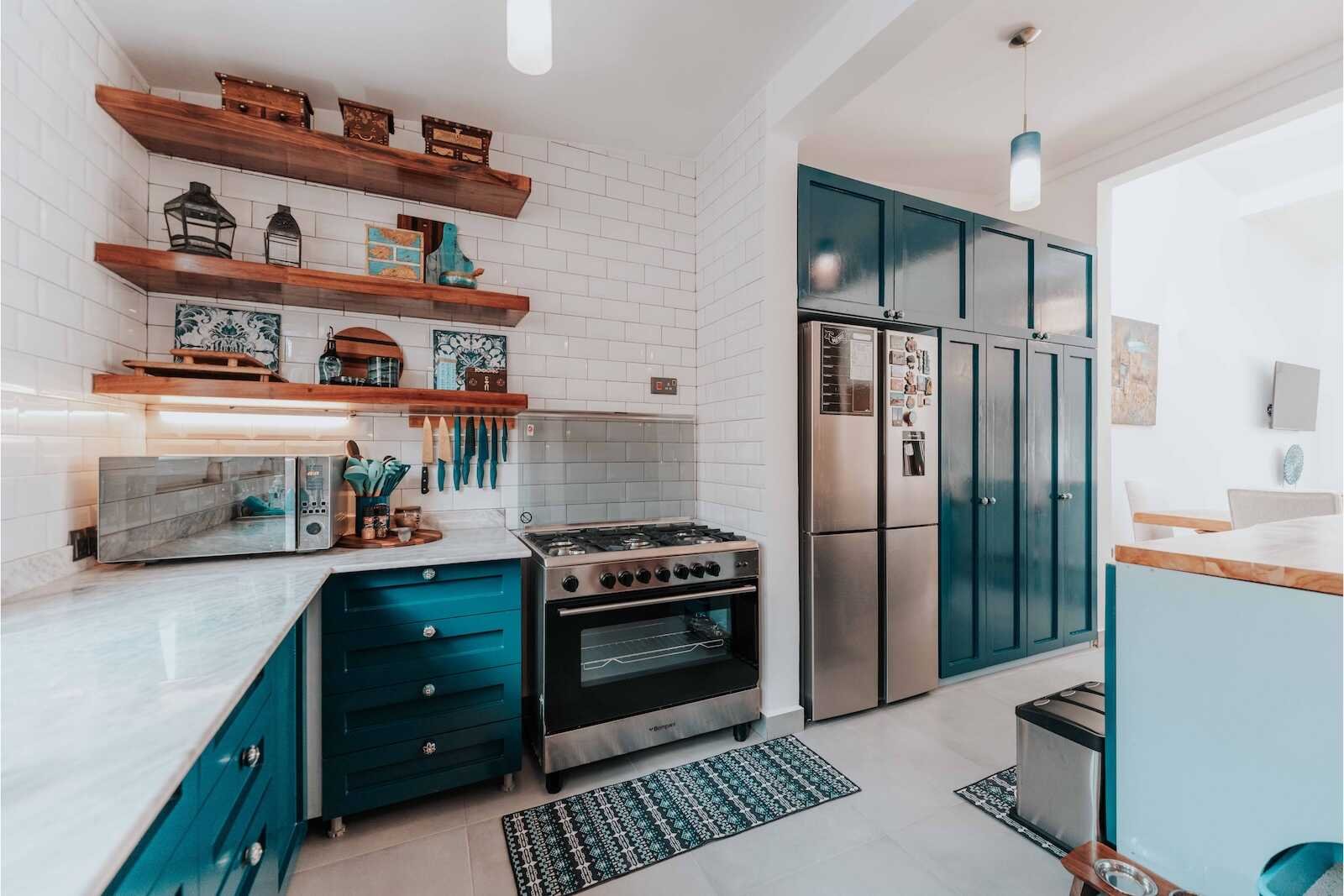
If you’ve ever walked into a home and immediately felt calm, inspired, or completely at ease, you’ve experienced the power of intentional design. It’s not about having the most expensive furniture or following every trend—it’s about creating a space that works for you and your family, supports your daily routines, and reflects what matters most in your life.
In this guide, we’ll dive deep into how to use intentional design in both your interior and exterior spaces so your home becomes a place of function, beauty, and meaning.
Table of Contents
What Is Intentional Design?
Intentional design is the practice of making thoughtful, purpose-driven choices about your home’s layout, decor, and functionality. Every piece, color, and layout decision serves a purpose—whether it’s improving organization, enhancing comfort, or supporting your lifestyle.
Instead of asking:
- “Does this look good?”
You start asking:
- “Does this serve my family?”
- “Does this improve how we live every day?”
- “Does this bring peace, joy, or function into our home?”
Why Intentional Design Matters for Families
When your home is designed with intention, everything feels easier.
Benefits of intentional design:
- Reduces daily stress and clutter
- Supports routines (especially with kids!)
- Maximizes space efficiency
- Encourages connection and quality time
- Creates a sense of calm and belonging
For busy families, this approach is life-changing. Your home becomes a partner in your day—not something you’re constantly battling to manage.
Step 1: Define Your Family’s Needs and Lifestyle
Before buying anything new or rearranging a room, pause and evaluate how your family actually lives.
Ask yourself:
- Where do we spend the most time?
- What areas feel chaotic or frustrating?
- What routines do we repeat daily?
- What do we wish our home made easier?
Example:
If mornings are stressful, intentional design might mean:
- Creating a dedicated drop zone for backpacks and shoes
- Adding labeled bins for each child
- Installing hooks at kid height
Intentional design always starts with real life—not Pinterest perfection.
Step 2: Design Your Interior Spaces with Purpose
1. Create Functional Zones
Every room should have clearly defined purposes.
Examples:
- A reading nook in the living room
- A homework station in the kitchen
- A toy rotation area in the playroom
When spaces have defined roles, clutter decreases and usability increases.
2. Choose Furniture That Works Hard (and serves multiple functions)
In intentional design, furniture isn’t just decorative—it’s functional.
Look for:
- Storage ottomans
- Expandable dining tables
- Beds with built-in drawers
- Entry benches with cubbies
Pro tip: In family homes, multi-functional furniture is everything.
3. Prioritize Flow and Movement
Think about how you move through your home.
Ask:
- Are pathways clear?
- Is furniture blocking natural movement?
- Do high-traffic areas feel cramped?
Rearranging furniture—even without buying anything—can dramatically improve your home’s functionality.
4. Design for Real Life (Especially Kids)
A beautifully styled home is great—but a livable home is better.
Intentional design for families includes:
- Durable, easy-to-clean materials
- Accessible storage for kids
- Spaces where mess is allowed
Instead of constantly saying “don’t touch,” design spaces where kids can safely engage.
5. Be Intentional with Color and Lighting
Color and lighting directly impact mood.
Tips:
- Use soft neutrals for calm spaces like bedrooms
- Add warm lighting for a cozy feel
- Use brighter tones in play areas for energy
Layer your lighting:
- Overhead lights
- Task lighting
- Ambient lighting
This creates flexibility for different times of day.
Step 3: Declutter with Intention
Intentional design and clutter cannot coexist.
Instead of organizing more stuff, focus on owning less—but better.
Decluttering tips:
- Keep only items that serve a purpose or bring joy
- Rotate toys instead of keeping everything out
- Use hidden storage for visual calm
- Create “homes” for everything
When everything has a place, your home runs more smoothly.
Step 4: Bring Intentional Design Outdoors
Your exterior space is just as important as your interior—it’s an extension of your home.
1. Create Outdoor Living Zones
Think of your yard as additional square footage.
Ideas:
- Outdoor dining area
- Cozy seating zone with cushions
- Fire pit gathering space
- Kids’ play area
Even small patios can feel luxurious with intentional design.
2. Focus on Low-Maintenance Landscaping
Your outdoor space should enhance your life—not create more work.
Consider:
- Native plants
- Drought-tolerant landscaping
- Mulch or gravel instead of high-maintenance grass
Especially in California climates, intentional landscaping can save time, water, and energy.
3. Add Functional Storage Outside
Keep outdoor clutter under control with:
- Storage benches
- Deck boxes for toys
- Organized gardening stations
This keeps your exterior spaces clean and usable.
4. Design for Gathering and Connection
Intentional design prioritizes relationships.
Create spaces that encourage:
- Family dinners outside
- Weekend lounging
- Kids playing nearby while adults relax
Your yard should invite people to stay.
Step 5: Personalize Your Space with Meaning
A home designed with intention reflects your story.
Include:
- Family photos
- Travel souvenirs
- Meaningful heirlooms
- Kids’ artwork
But display with purpose—avoid overcrowding.
Rotate items seasonally to keep your space fresh without adding clutter.
Step 6: Build Systems That Support Daily Life
Intentional design isn’t just about how things look—it’s about how things work.
Create systems for:
- Laundry and homemaking
- Meal prep
- School routines
- Cleaning
Example:
A well-designed laundry system might include:
- Sorting bins
- Folding space
- Easy access to supplies
When your systems are strong, your home runs effortlessly.
Step 7: Embrace Flexibility
Your family’s needs will change—and your home should evolve with you.
Plan for:
- Growing kids
- Changing routines
- New hobbies or work-from-home needs
Intentional design is not static—it’s adaptable.
Common Mistakes to Avoid
1. Designing for Aesthetics Only
A beautiful home that doesn’t function will quickly become frustrating.
2. Following Trends Blindly
Trends come and go—your lifestyle stays.
3. Overcrowding Spaces
More furniture doesn’t mean better design.
4. Ignoring Storage Needs
Lack of storage leads to clutter and stress.
Intentional Design Ideas for Every Room
Living Room
- Hidden storage furniture
- Defined seating areas
- Cozy lighting layers
Kitchen
- Clear countertops
- Organized drawers
- Easy-access snacks for kids
Bedrooms
- Minimal decor for better sleep
- Blackout curtains
- Functional bedside storage
Entryway
- Hooks, bins, and baskets
- Shoe storage
- A landing zone for everyday items
How Intentional Design Impacts Your Mindset
Your environment shapes your mood more than you realize.
With intentional design, you may notice:
- Less overwhelm
- More productivity
- Increased relaxation
- Better family connection
Your home becomes a place where you can truly recharge.
Budget-Friendly Intentional Design Tips
You don’t need a full renovation to create an intentional home.
Start with:
- Rearranging furniture
- Decluttering
- Repurposing what you already own
- Adding inexpensive storage solutions
Small changes can make a big impact.
Final Thoughts: Designing a Home That Works for You
At its core, intentional design is about creating a home that supports your life—not one that looks perfect on social media.
When you design with intention:
- Your home feels easier to manage
- Your family feels more connected
- Your space reflects what truly matters
It’s not about perfection—it’s about purpose.