What It Means to Be a Christian Like Dolly Parton: Faith, Love, and Radical Acceptance
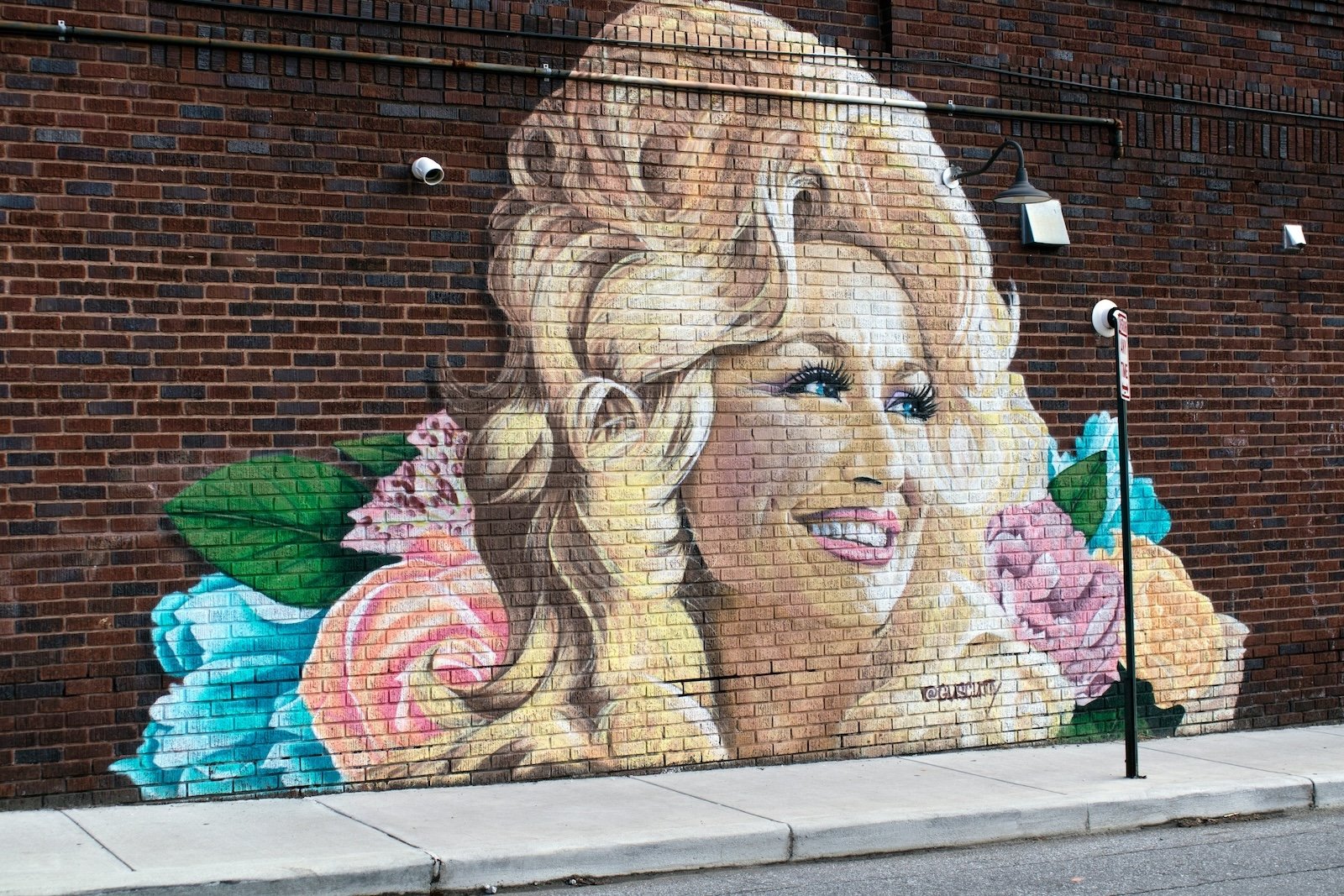
Dolly Parton never hid her Christian faith. She spoke about God the way some people talk about a best friend—warmly, daily, and without apology. At the same time, she refused to turn that faith into a weapon or a checklist for judging others. Her life offers a vivid picture of what many people long for in Christianity: deep personal devotion paired with open-hearted love for everyone.
A Faith She Lived Out Loud
Parton grew up in a large, poor family in the Smoky Mountains. Her grandfather was a Pentecostal preacher, and church was woven into everyday life. She often recalled learning early that “Jesus loves me” and that “through God all things are possible.”
She never treated faith as something to perform only on Sundays. In interviews she explained it plainly:
“I don’t practice [faith] – I live it… I talk to God like He is my best friend. I just go around talking to Him sometimes… Sometimes if something great has happened, I just kind of raise my hand and give God a high-five or a thumbs up.”
Prayer was constant. “I pray every day. I pray about everything,” she said. She asked God to guide her decisions, bring the right people into her life, and help her “do something to glorify God and uplift mankind.”
Even her sense of purpose was framed in spiritual terms. She believed she had a responsibility to God and kept trying to live it out—“Sinning all the way, but trying my best, and asking forgiveness seventy times seven.”
Love Without Conditions
What set Parton’s Christianity apart for so many was how she combined strong personal belief with genuine acceptance. She repeatedly refused to use faith as a reason to exclude or condemn.
In a 2022 interview she said:
“I grew up in a very open-hearted, faith-based family. You’re taught to love and be accepting, and to give more than you receive.”
She expanded on that idea elsewhere:
“If you are truly a spiritual-based person, if you are a true Christian, your heart is open, to everybody and everything… We’re open to everybody.”
Parton was clear that she would not force her beliefs on anyone. “I’m never ashamed of my religion. I’m not trying to cram it down anyone else’s throat. I just think that everybody’s got to have something to believe in.”
She also connected forgiveness directly to her faith. Speaking about second chances and cancel culture, she said that if God can forgive, so should we: “Even when you’re proven guilty, if God can forgive you, so can I. If God can forgive you, we all should forgive one another.”
Her approach was simple and consistent: look for the “God-light” in people and treat them accordingly. She believed everyone carries a piece of the divine, and that belief shaped how she moved through the world.
Faith as Daily Relationship, Not Rules
Parton often described herself as more spiritual than religious in the institutional sense. She still spoke openly of Jesus, prayer, and Scripture. She talked to God the way someone talks to a trusted parent or close friend—“Hey, Dad”—and trusted that guidance in her work and personal life.
She saw her music and public platform as a kind of ministry. She wanted her life and words to point people toward something larger than herself. At the same time, she never claimed perfection. She called herself a sinner who kept trying, kept praying, and kept loving.

How to Live Out a Dolly Parton-Style Christian Faith: Actionable Steps
Becoming a “Dolly Parton Christian” is less about adopting a new set of rules and more about practicing a few consistent habits that reflect her approach. Here are practical steps you can begin today:
Talk to God like a friend every day
Start and end your day with simple, honest conversation. Thank Him for the night, ask Him to guide the day, and bring the right people and opportunities into your life. Dolly prayed about everything—try doing the same instead of limiting prayer to formal times or crisis moments.
Give God a high-five when good things happen
Build the habit of noticing and celebrating small wins with God. When something goes well, pause and acknowledge it out loud or in your heart. This keeps faith relational and joyful rather than distant or duty-driven.
Look for the “God-light” in every person you meet
Before reacting to someone’s appearance, politics, lifestyle, or past, intentionally look for something good or sacred in them. Practice seeing people as carrying a piece of the divine. This single shift reduces judgment and increases compassion.
Choose acceptance over approval or condemnation
You do not have to agree with everything someone does to treat them with dignity. Dolly’s model was “I don’t condemn nor condone… I just love and accept people where they are.” Practice responding with kindness even when you disagree.
Ask daily how you can uplift others and glorify God
Make this a standing prayer: “Let me do something today that makes the world a little better and points people toward You.” Then look for one concrete action—encouraging a coworker, helping a stranger, creating something that brings joy, or simply listening well.
Practice quick forgiveness (including for yourself)
When someone wrongs you or when you mess up, refuse to nurse bitterness. Dolly repeatedly emphasized that forgiveness cleans the heart so better things can grow. Extend the same grace to yourself that you believe God extends to you.
Live your faith more than you talk about it
Focus on example over argument. Let your daily treatment of people, your humility, and your consistency speak louder than any declaration of belief. When faith does come up, share it naturally without pressure or superiority.
Stay humble and refuse celebrity (or personal) idol worship
Regularly remind yourself that any good others see in you is “God-light,” not your own brilliance. Pray to remain grounded and to redirect praise toward the Source.
These steps are not a formula for perfection. Dolly herself admitted she was “sinning all the way” while still trying her best. The point is consistent direction: a real relationship with God that produces genuine love for people.
Dolly Parton’s Philanthropy: Faith in Action
Dolly Parton’s giving was one of the clearest expressions of the faith she lived so openly. She often said she felt responsible to God “to do something… to uplift mankind” and grew up believing people should “give more than you receive.” That conviction shaped decades of practical generosity.
Her best-known effort, Dolly Parton’s Imagination Library (founded in 1995 to honor her father, who never learned to read), has mailed more than 300 million free books to children from birth to age five across the United States, Canada, the United Kingdom, Australia, and Ireland. Roughly three million books go out every month. Research shows children in the program are far more likely to develop early literacy skills, enjoy books, and be read to regularly at home—helping close learning gaps before school even begins.
Beyond books, she funded scholarships and dropout-prevention programs in her home county, gave millions to children’s hospitals and medical research, and stepped in quickly with personal and business donations after disasters such as Hurricane Helene.
In every case, the pattern was the same: quiet, consistent help that matched her prayer to “glorify God and uplift mankind.” Her philanthropy remains a living example of the open-hearted, practical Christianity she modeled—faith that shows up in books on a child’s doorstep, better schools, medical breakthroughs, and relief for neighbors in need.
What “Being a Christian Like Dolly” Looks Like
To be a Christian in the style of Dolly Parton means several things at once:
- Holding a real, personal relationship with God that is spoken about naturally and without embarrassment.
- Letting that relationship produce daily prayer, gratitude, and a sense of purpose bigger than career or ego.
- Refusing to use faith as a measuring stick against other people.
- Choosing love, forgiveness, and acceptance even when culture rewards judgment.
- Living the faith more than performing it—high-fiving God in the kitchen and treating strangers with dignity on the same day.
Her example challenges both sides of a common divide. It challenges those who treat Christianity mainly as a cultural identity or set of political positions. It also challenges those who treat openness and acceptance as incompatible with traditional Christian belief. Dolly simply lived both.
She once summed up the heart of it when reflecting on why she talked about her faith so freely: “Why not? That’s who I am. That’s what keeps me going.”
In a divided time, that combination—honest devotion and wide-open love—still feels rare and needed. Being a Christian like Dolly Parton means carrying both without apology.