The Bible Tamarisk Tree: Where It Appears, What It Means, and What It Really Was
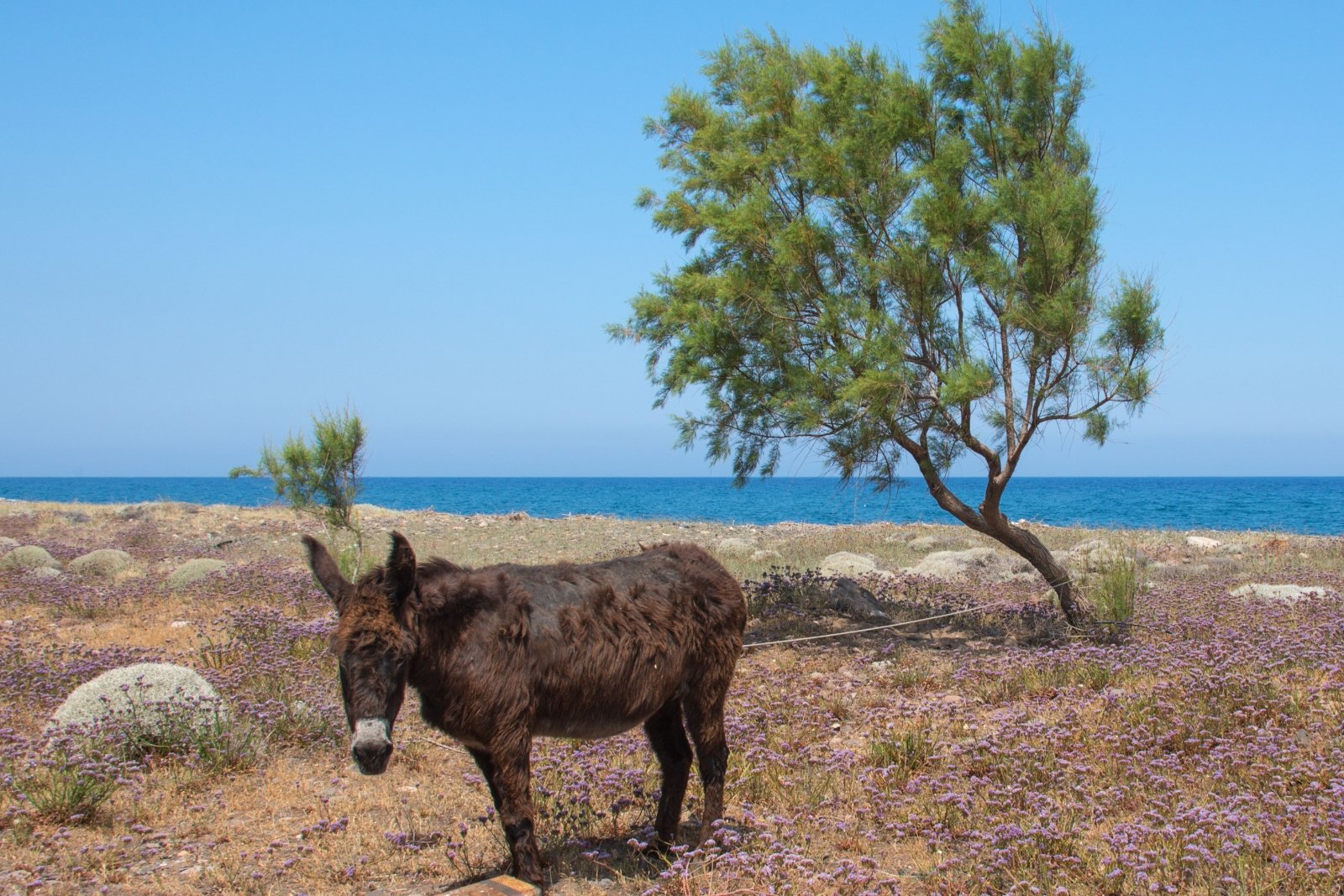
The tamarisk tree shows up only three times in Scripture, and each time it sits near a turning point in Israel’s story. Abraham plants one at Beersheba and worships God beneath it. King Saul holds court under one with a spear in his hand. After Saul dies, his bones are buried under another.
If you searched for the Bible tamarisk tree, you may have hit a small puzzle. Your translation might say “grove” or just “tree,” with no tamarisk in sight. That is not an error. It comes down to one Hebrew word and the choices translators made with it. This guide covers the verses, the plant itself, the meaning people have drawn from it, and the manna question that always comes up.
What Is the Tamarisk Tree in the Bible?
The tamarisk is a tough, salt-tolerant tree that grows in deserts and dry riverbeds across the Middle East. The Bible uses the Hebrew word eshel for it. That word appears three times: Genesis 21:33, 1 Samuel 22:6, and 1 Samuel 31:13.
Abraham planted a tamarisk at Beersheba. Saul sat under one at Gibeah. The men of Jabesh Gilead buried Saul’s bones beneath one. That is the whole list, and it is short enough that you can read all three passages in five minutes.
Why Your Bible May Not Say “Tamarisk”
Translations do not agree on this word. The King James Version has “grove” in Genesis 21:33 and plain “tree” in both passages from Samuel. The ESV, NIV, NASB, and CSB use “tamarisk.”
The split has a history. Eshel is a rare word, and early translators had little to go on. The Latin Vulgate used a word meaning grove, and the King James translators likely followed that path. Later scholars noticed that eshel matches the Arabic word athl, which is the everyday name for the athel tamarisk, Tamarix aphylla. Since Hebrew and Arabic are close relatives, that link carries real weight. Most modern translations settled on tamarisk for that reason.
So if you read the KJV and wonder why Abraham planted a “grove,” the likelier answer is that he planted a tamarisk, possibly one tree, possibly several. The Hebrew does not give a number.
Abraham’s Tamarisk at Beersheba (Genesis 21:33)
The first appearance comes right after a dispute over water. Abraham and a local king named Abimelech settle a quarrel about a well at Beersheba, and Abraham gives seven ewe lambs as a witness to the agreement. Then the text says Abraham planted a tamarisk tree there and called on the name of the LORD, the Everlasting God.
The details matter. Abraham was a nomad, and nomads did not usually plant trees. A tree takes years to become useful. Planting one at Beersheba says something about how Abraham saw his future in the land God had promised him. He was putting down a marker that he expected to come back to, or that his family would.
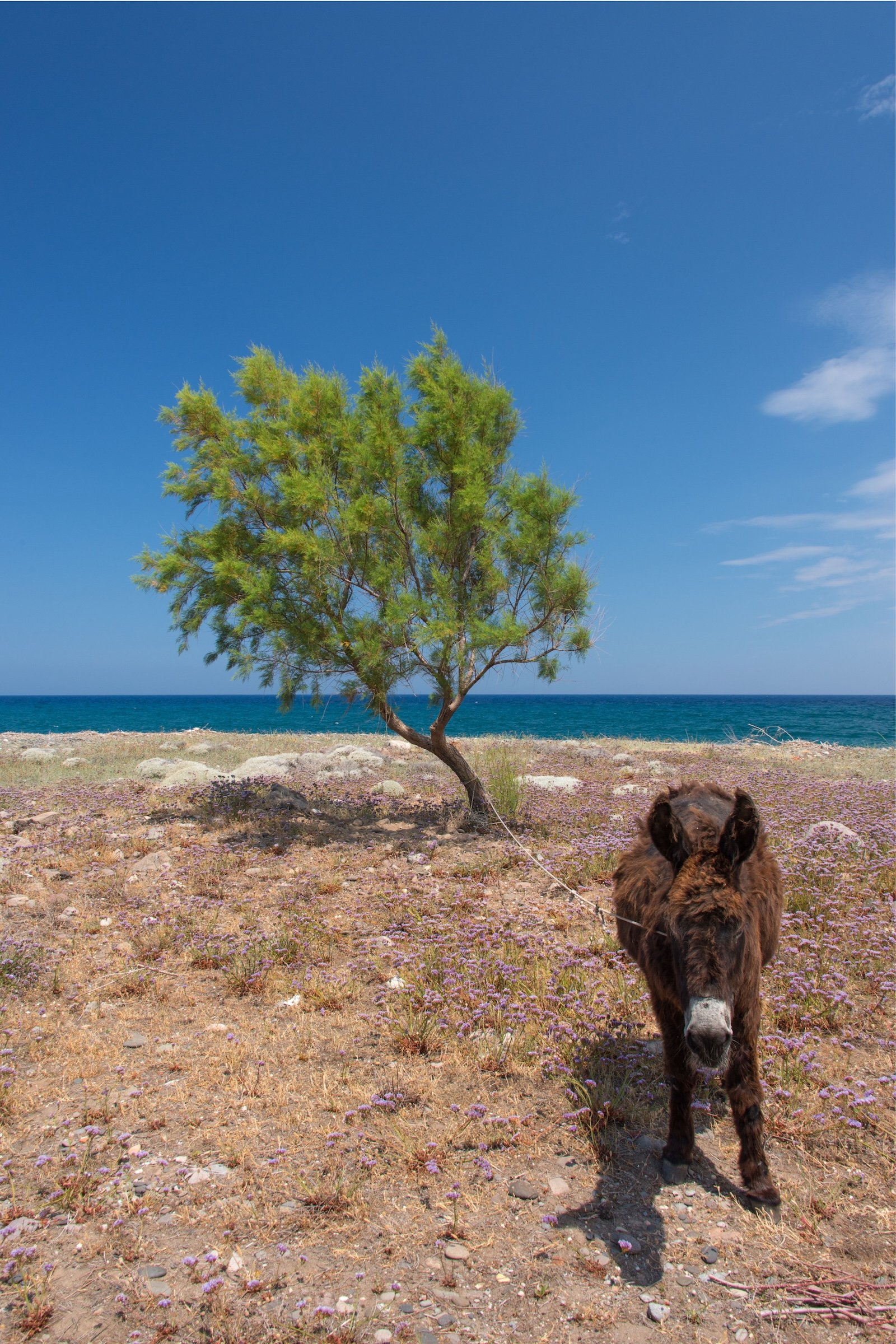
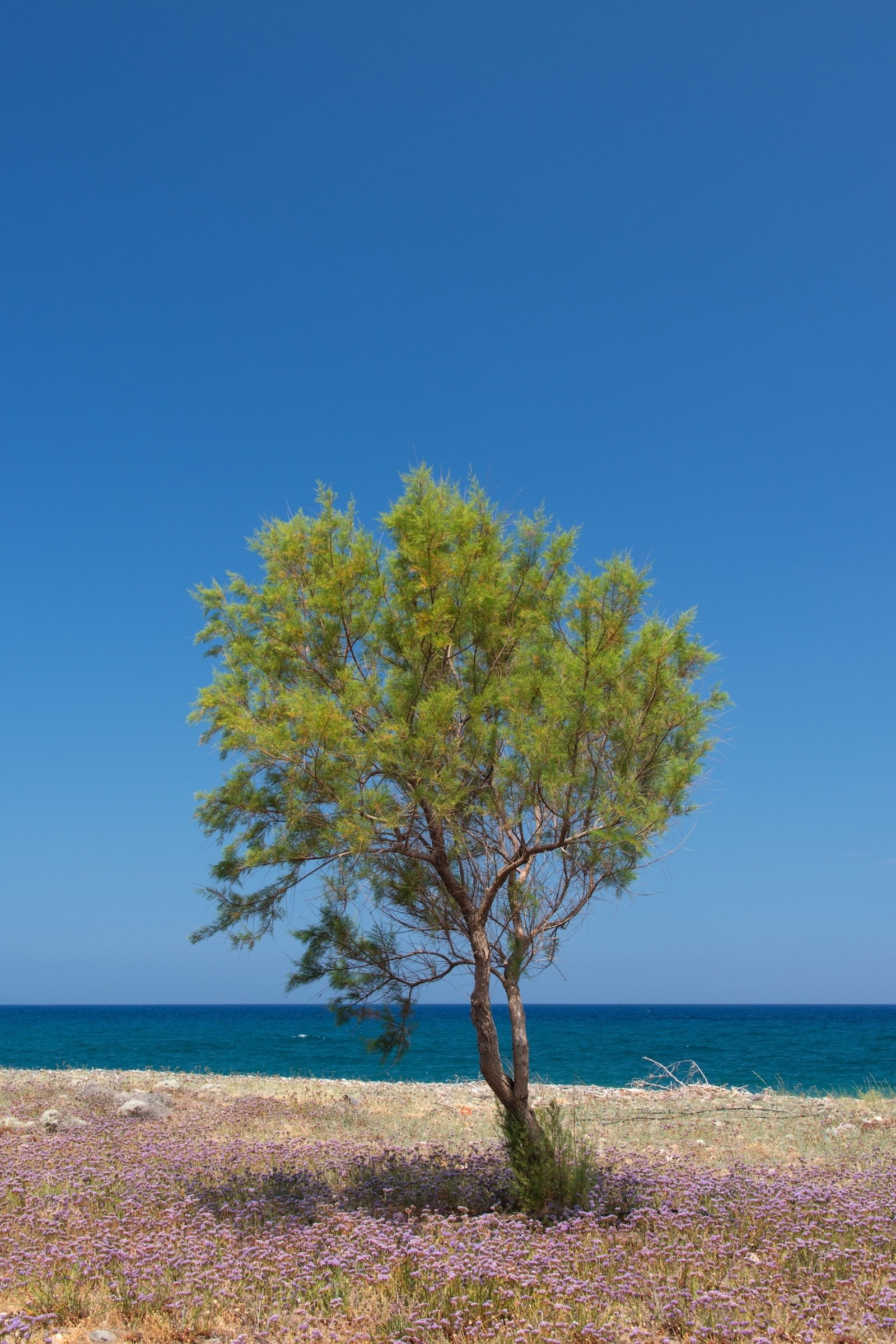
The tamarisk was also a practical choice. It handles salty and dry ground that would kill most other trees, and Beersheba sits on the edge of the Negev. It gives real shade in a place where shade is scarce, and shade in the desert means people can stop, rest, and gather.
Jewish tradition noticed the odd phrasing too. A passage in the Talmud (Sotah 10a) records a debate over whether the eshel was an orchard for fruit or an inn for guests. Both readings picture the tree as a place of hospitality, which fits everything else we know about Abraham.
The scene ends with worship. Abraham does not build an altar here, at least not according to the text. He calls on God by a name that stresses permanence. A man planting a slow-growing tree while calling God everlasting is making a quiet statement about trust.
Saul Under the Tamarisk at Gibeah (1 Samuel 22:6)
The second passage feels very different. Saul is king, and he is paranoid. He has just learned that David escaped and that the priest Ahimelech helped him. The verse says Saul was sitting at Gibeah under the tamarisk tree on the height, spear in hand, with his servants standing around him.
Kings in that era often held court outdoors, and a large tree was a natural place to do it. The tamarisk gave Saul a throne room with no walls. Some readers see a deliberate contrast here. Abraham sat under a tree he planted and worshiped. Saul sits under a tree with a weapon and talks himself into ordering a massacre of the priests of Nob.
The tree itself does nothing wrong, of course. It is just there. But the writer chose to mention it, and the spear beside it. Both details set the mood before Saul opens his mouth.
Gibeah was Saul’s hometown and home base, so this tamarisk was probably a local landmark. When a passage names a specific tree on a specific hill, it usually means the original audience knew the spot.
The Tamarisk at Jabesh Gilead (1 Samuel 31:13)
The last appearance closes Saul’s story. After the battle at Mount Gilboa, the Philistines hang the bodies of Saul and his sons on the wall of Beth Shan. Brave men from Jabesh Gilead travel through the night, take the bodies down, burn them, and bury the bones under the tamarisk tree at Jabesh. Then they fast for seven days.
There is a link back to Saul’s early reign. He had rescued Jabesh Gilead from a brutal siege at the start of his kingship (1 Samuel 11). The city remembered. This burial is a debt repaid, and the tamarisk marks the place.
Burying someone under a tree was a common way to mark a grave in a land with few stone monuments. A tamarisk lives a long time, so the grave would stay findable. The King James Version says “under a tree” here, which hides the tamarisk from English readers, but the Hebrew is the same word used for Abraham’s tree.
Taken together, the three verses form a kind of arc. A patriarch plants a tree in hope. A king sits under one in fear. A dead king is laid to rest under one in sorrow.
What Tamarisk Trees Are Actually Like
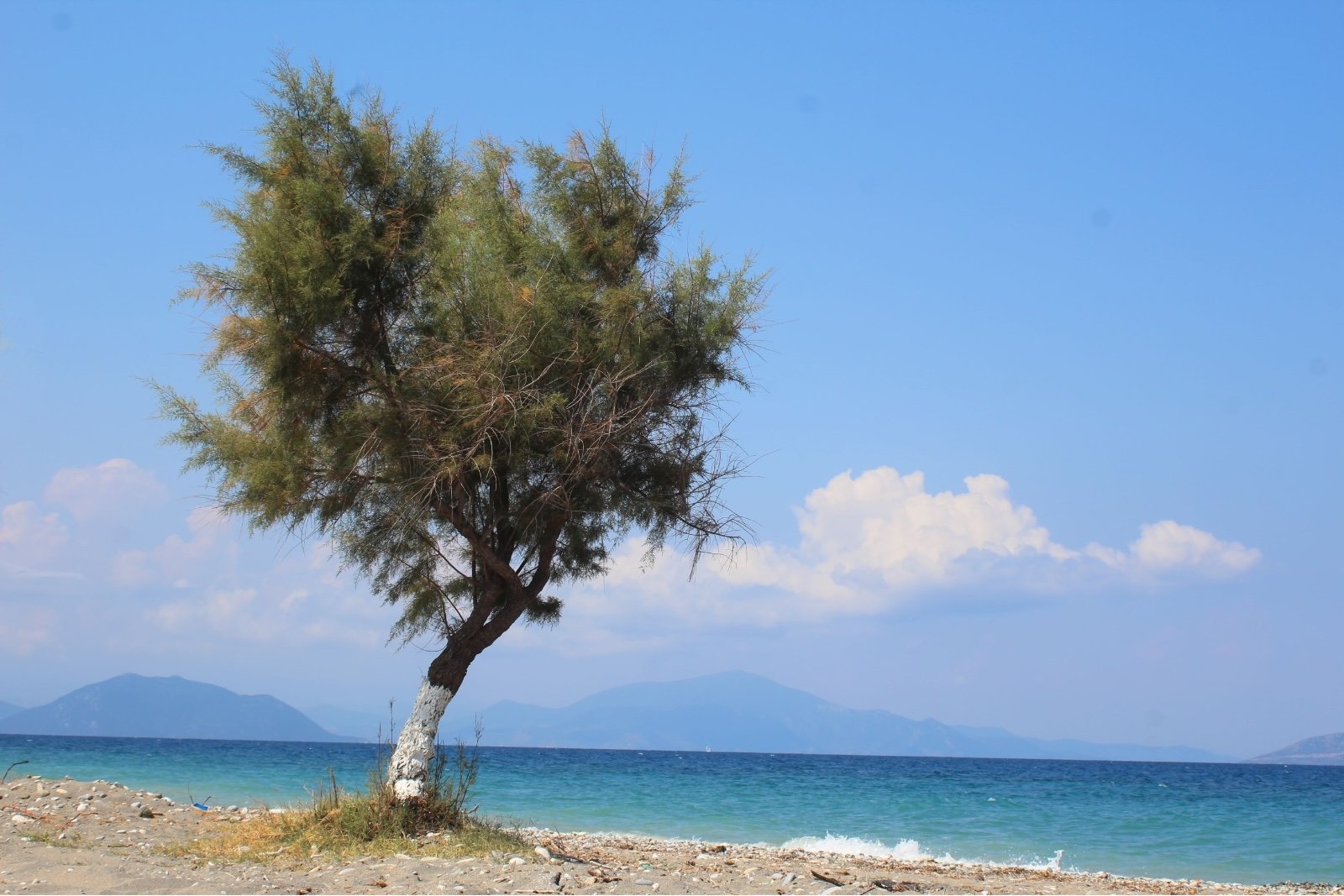
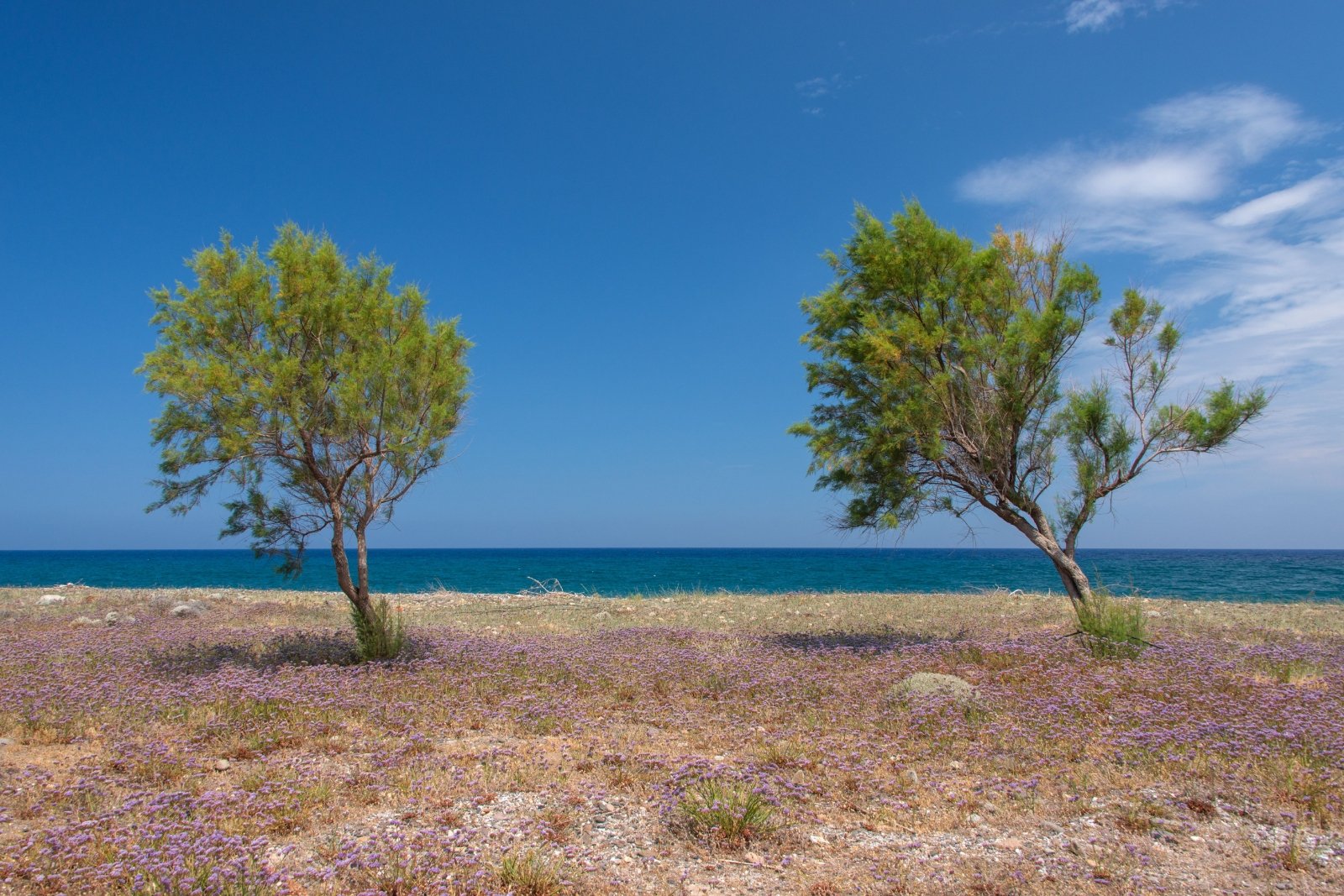
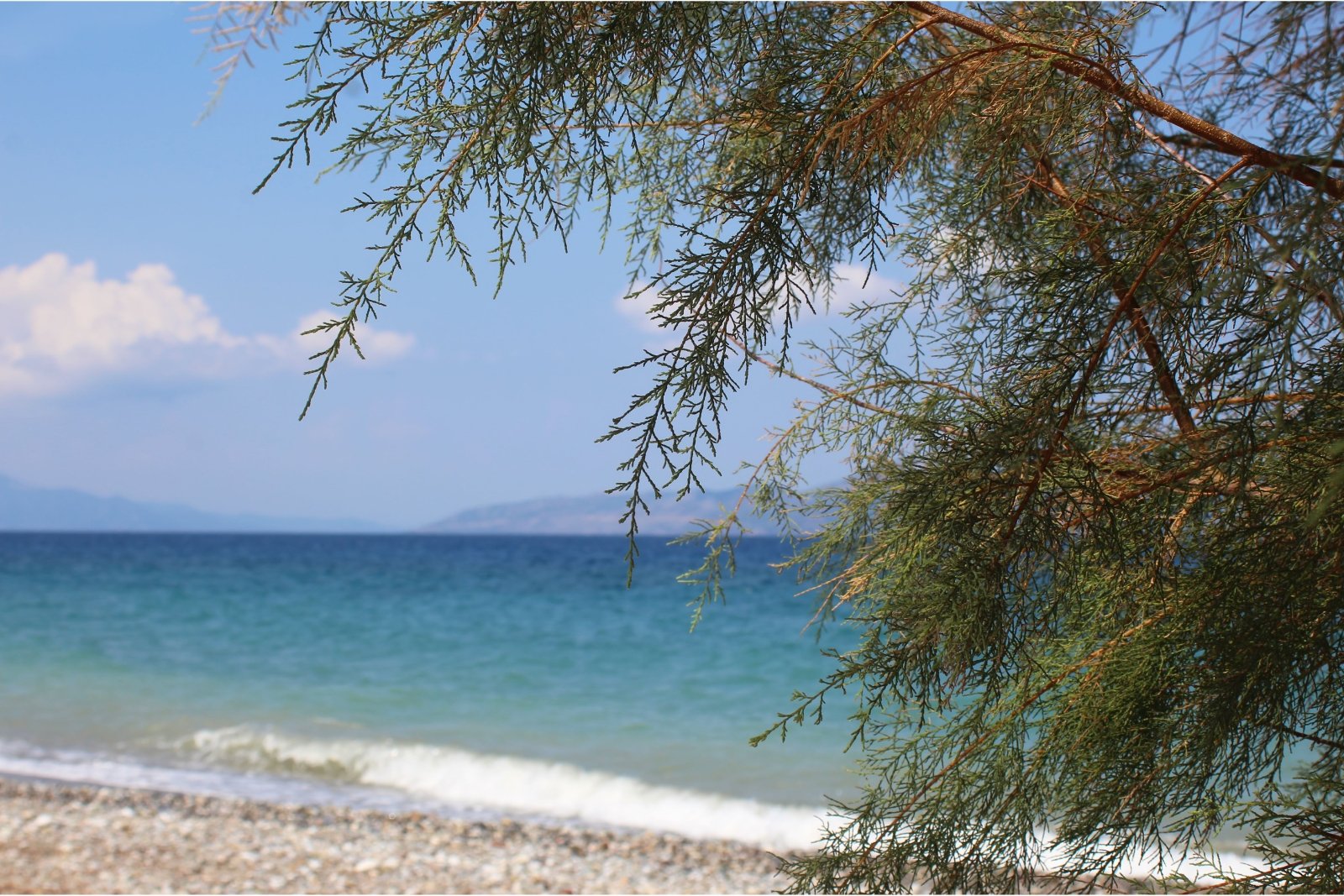
Knowing the plant helps the verses make sense. The tamarisk family (Tamarix) includes dozens of species. The one most connected to the Bible is the athel tamarisk, Tamarix aphylla, which can grow into a real tree, sometimes 30 feet tall or more, with a thick trunk and drooping, feathery branches.
Several traits explain why it turns up in desert stories:
- Salt tolerance. Tamarisks pull salty water from the ground and push the excess out through glands in their leaves. You can sometimes see white crystals on the foliage.
- Deep roots. They reach groundwater that other plants cannot, which lets them survive long droughts.
- Fine, scale-like leaves. The leaves are tiny and overlap along the stems, which cuts down water loss.
- Long life. A healthy tamarisk can stand for decades, and older specimens in the Negev are known.
- Pink or white flowers. Many species bloom in small feathery clusters that give the tree a soft look against pale desert ground.
In practical terms, people used tamarisk wood for fuel and for simple building, and the tree served as a windbreak and shade source. None of that is stated in the Bible verses, but it is the world those verses lived in.
Does the Tamarisk Tree Bloom Pink?
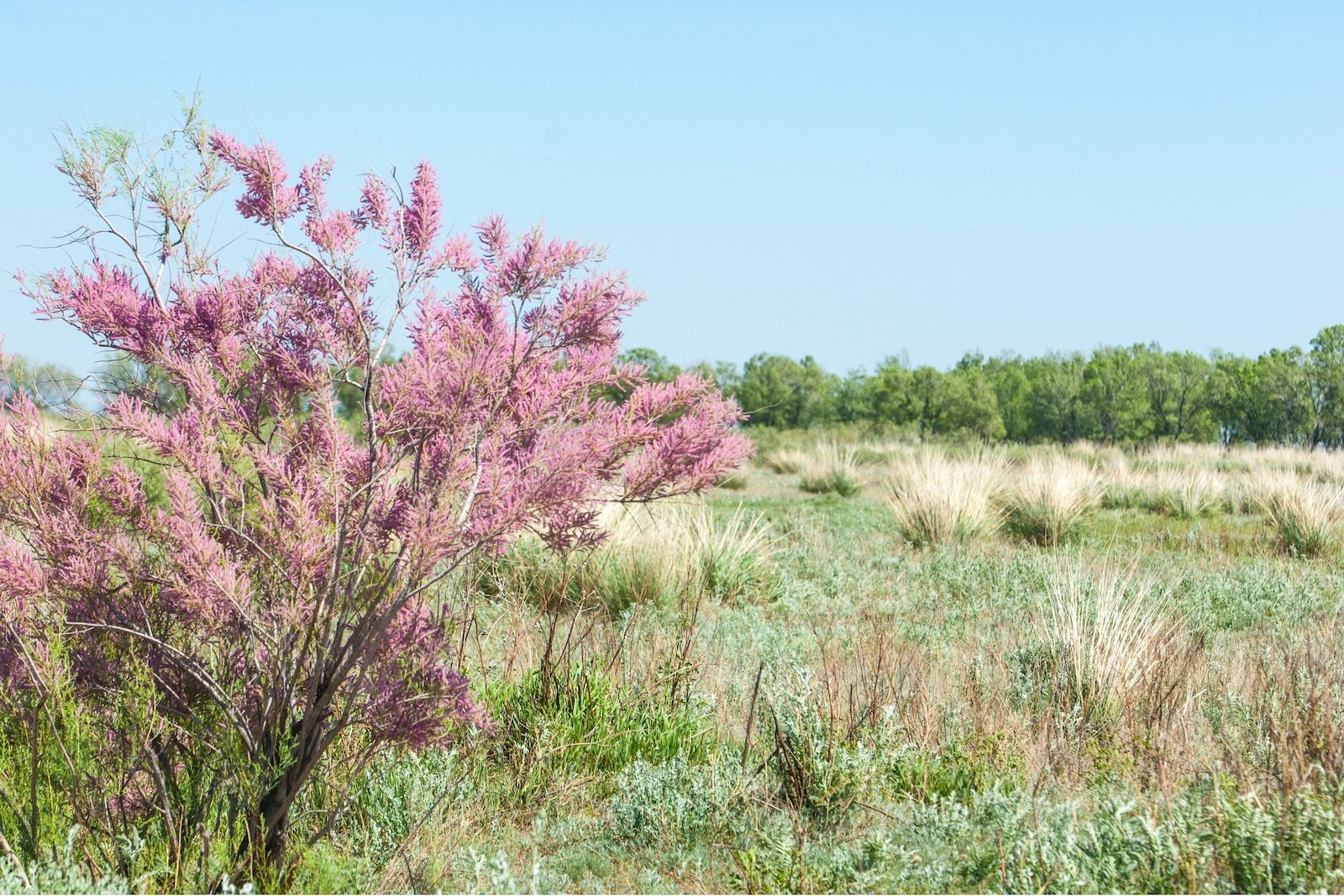
Yes, many tamarisk species bloom pink. The flowers are tiny and grow in dense, feathery clusters (called racemes) that cover the branches in late spring and summer, giving the tree a soft, plume-like look. The color ranges from pale blush to a deeper rosy pink depending on the species.
The one most tied to the Bible, the athel tamarisk (Tamarix aphylla), tends toward white or pale pink flowers, and it blooms less showily than saltcedar (Tamarix ramosissima and related species), which is the one people usually picture with vivid pink plumes along Southwestern riverbanks. So if you see a photo of a tamarisk with bright pink blossoms, it is most likely a saltcedar, not the athel.
Bloom color and timing vary a bit with species, climate, and soil, so it is worth confirming against a botanical source if you plan to state it in your post.
Did the Tamarisk Make Manna?
This is the question that sends many people searching. In Exodus 16, the Israelites find a flaky, sweet substance on the desert floor each morning. They call it manna. Some writers have linked it to the tamarisk.
The idea comes from a real natural process. In the Sinai Peninsula, certain scale insects feed on tamarisk sap and excrete a sugary liquid that hardens into small droplets. Bedouin collect it and call it mann. Researchers who studied it in the early twentieth century noted that it is sticky, sweet, and appears in the early morning. Those features overlap with the biblical description.
The comparison has limits, and they are large. The tamarisk product is seasonal, appearing mainly in late spring and early summer, and the amounts are small. Exodus describes enough food for a whole nation, every morning, for forty years, with a double portion before the Sabbath and none on the Sabbath. The text presents manna as a gift from God, not a lucky natural event.
A fair summary is this. The tamarisk secretion may be a natural cousin of manna, and it may even explain the Hebrew word’s echo in Arabic. But no one has shown that it accounts for what Exodus describes, and the Bible itself does not link the two. If you read this idea online, treat it as an interesting parallel and not a settled fact.
What the Tamarisk Teaches
Bible readers have found a few themes in these passages, and it helps to separate what the text says from what people have added.
Planting for the future. Abraham’s tree is the clearest example. He planted something that would outlast him, and he did it in a place he had no permanent claim to yet. Many readers see it as a picture of faith that acts before the promise is fulfilled.
Rest and hospitality. The Talmudic debate about an orchard or an inn reflects a long tradition of tying the tree to welcome. That reading is an interpretation, but a reasonable one.
Endurance in harsh ground. The tamarisk thrives where little else does. Preachers often use it as an image of a believer who stays rooted in hard seasons. The Bible does not make that comparison directly, so it works best as an illustration and not as a claim about the text.
Memory and place. Trees mark events. Both Abraham’s worship and Saul’s burial are tied to a specific tree, which suggests that Israel remembered its history by landmarks.
The Tamarisk Today
If you want to see a tamarisk tree, you have options. Many grow across Israel, especially in the Negev and along the Dead Sea and Jordan valley. At Tel Beer Sheva, an archaeological site and national park near modern Beersheba, visitors can walk the ruins of the ancient city. Tamarisks are planted in the area, which offers a nice way to picture the verse, though no living tree dates to Abraham’s time.
A word of caution for readers in the United States. Some tamarisk species, known as saltcedar, were brought here in the 1800s and now crowd out native plants along rivers in the Southwest. They use large amounts of water and raise soil salinity. Land managers in several states work to remove them, and some species are regulated as noxious weeds. If you want to plant one for the Bible connection, check with your state agriculture department first. The athel tamarisk is treated differently from saltcedar in some places, but rules vary.
Frequently Asked Questions
What does tamarisk mean in the Bible?
It refers to the Hebrew word eshel, a desert tree or large shrub. The Bible mentions it three times, in Genesis 21:33 and 1 Samuel 22:6 and 31:13.
Where is the tamarisk tree in the Bible?
Abraham plants one at Beersheba. Saul sits under one at Gibeah. Saul’s bones are buried under one at Jabesh Gilead.
Why does the King James Version say “grove”?
The KJV followed older Latin and Greek traditions that read the word as a grove or field. Modern scholarship links eshel to the Arabic word for the athel tamarisk, so most newer translations say tamarisk.
Is the tamarisk the burning bush or the tree of life?
No. Neither is described as a tamarisk in the text. The burning bush is a seneh, a thorny bush, and the tree of life is a separate image in Genesis and Revelation.
Is the tamarisk mentioned in the New Testament?
No. It appears only in the Old Testament, in the three passages above.
Is tamarisk manna the same as biblical manna?
Not proven. Tamarisk sap secretions are a natural sweet substance, but they do not match the scale or timing that Exodus describes.
Final Thoughts
The Bible tamarisk tree is a small subject with a wide reach. Three verses tie a plain desert tree to worship, kingship, and burial. Knowing the Hebrew word, the plant’s habits, and the translation history lets you read those verses with more clarity than a footnote can give you.
Next time you open Genesis 21 and reach Abraham at Beersheba, picture what he was doing: pressing a young tree into dry ground beside a well and trusting that someone would be there to sit in its shade.