Christians and Tattoos: What the Bible Says and How to Decide
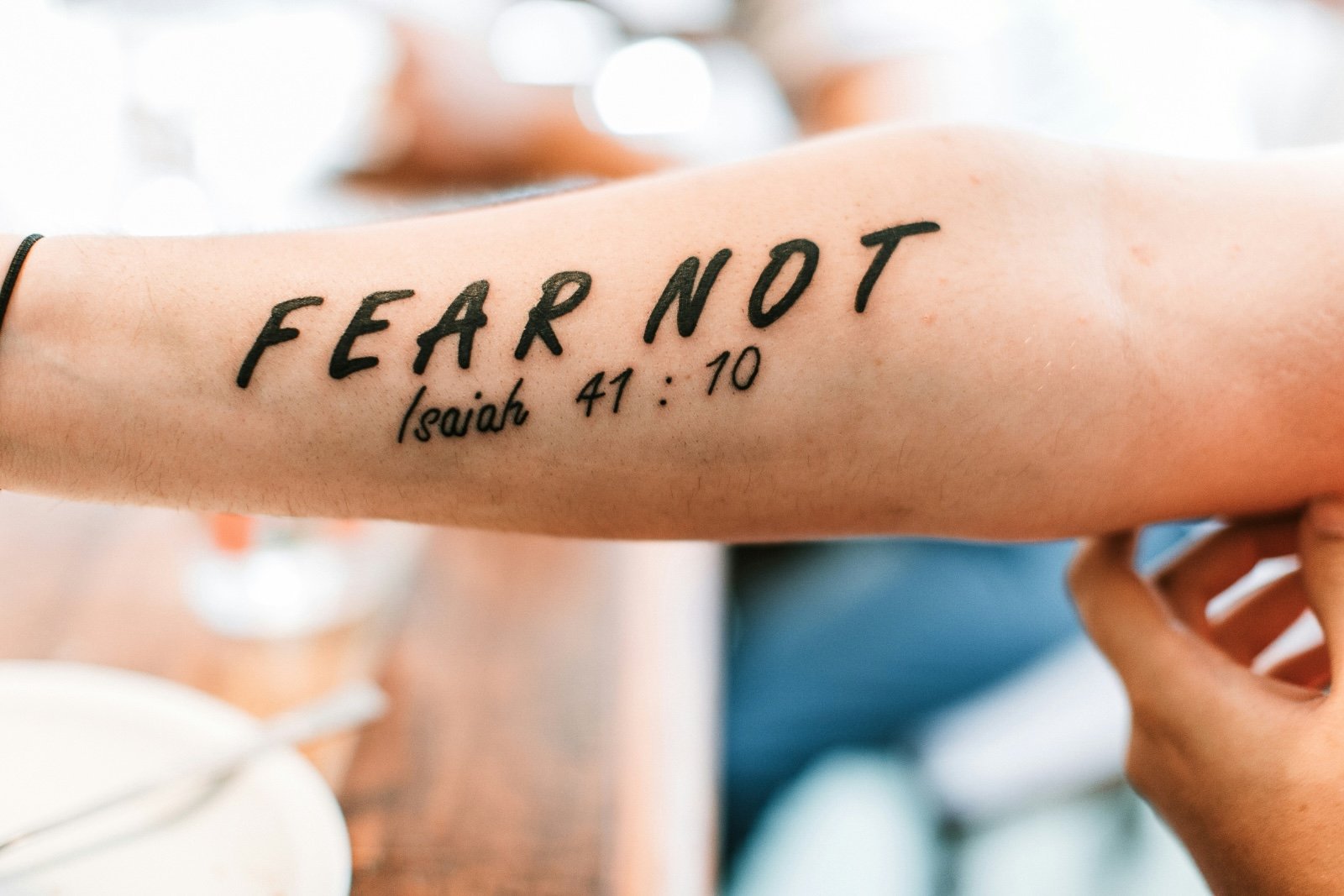
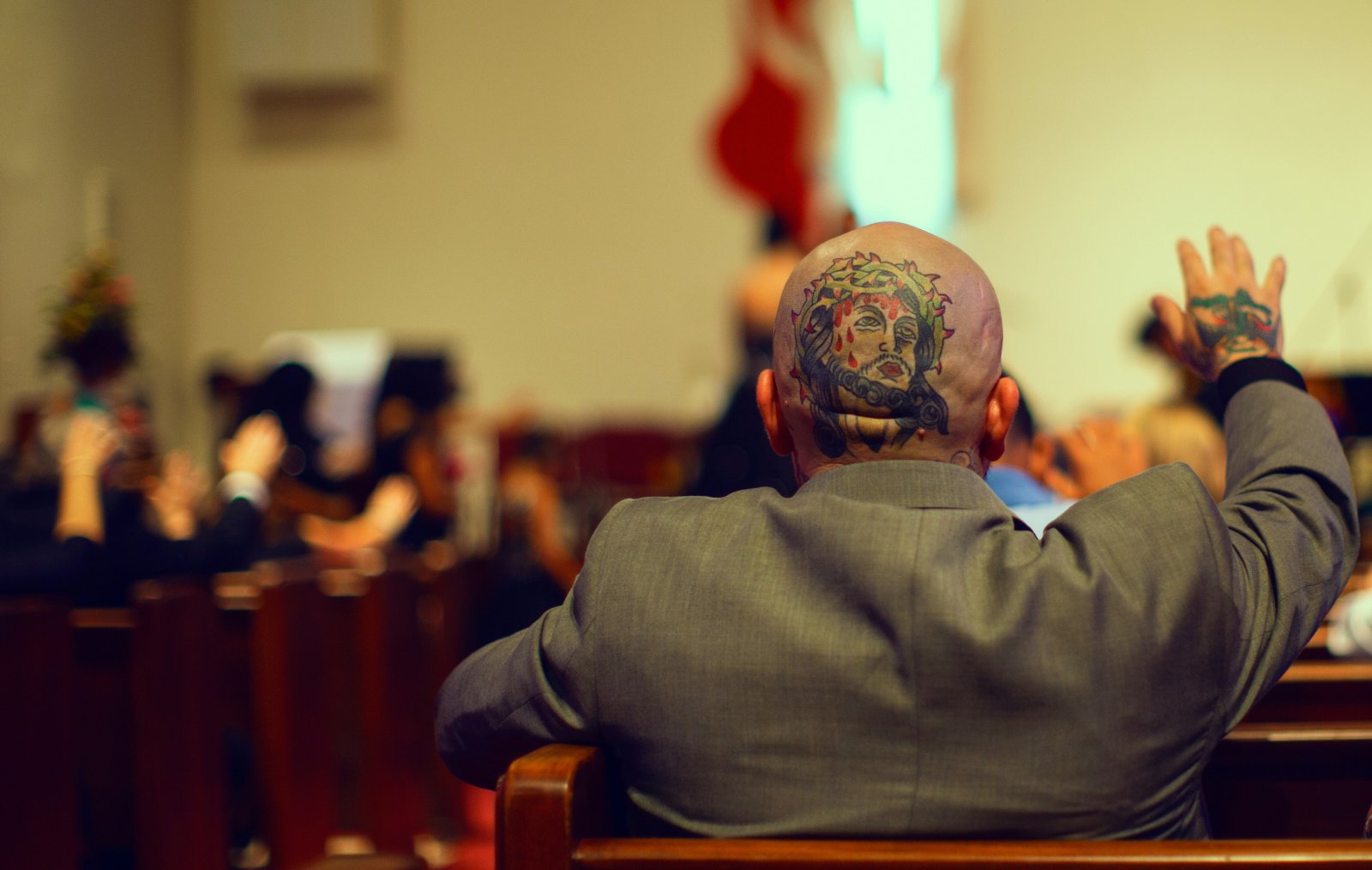
Few questions split a church potluck faster than Christians and tattoos. One person shows off a small cross on their wrist, and someone across the table quotes Leviticus. Then it gets awkward.
If you are a Christian thinking about getting inked, or you are trying to figure out how to feel about a family member’s tattoo, you deserve a real answer instead of a slogan. This guide covers what the Bible says, where thoughtful believers land on each side, what church history adds, and a few practical questions worth asking before you book an appointment.
Sincere Christians disagree here, and I will not pretend otherwise. Let’s look at the evidence.
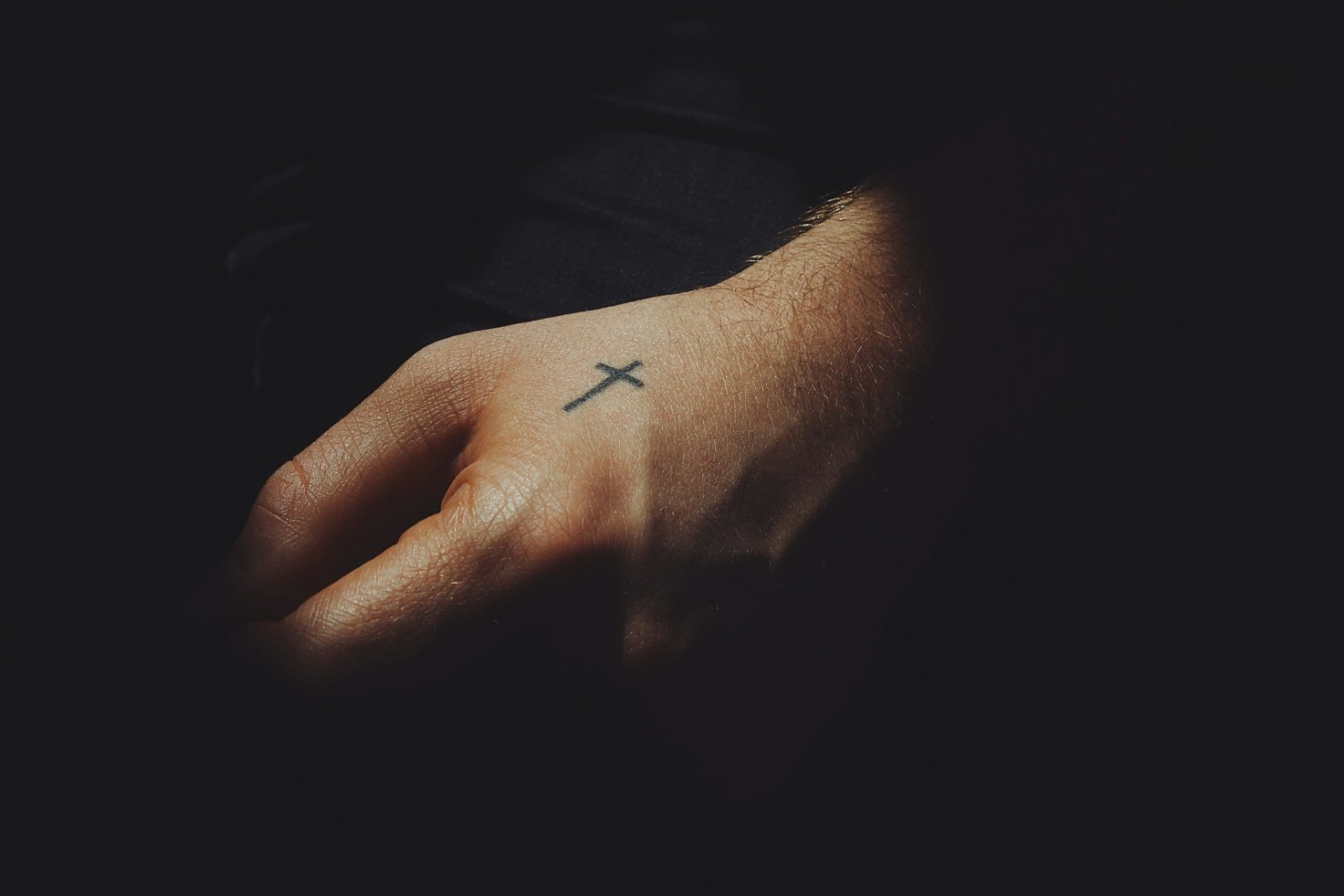
What Does the Bible Say About Tattoos?
Only one verse in the Bible directly mentions tattooing, and it sits in the Old Testament law.
“Do not cut your bodies for the dead or put tattoo marks on yourselves. I am the Lord.” (Leviticus 19:28, NIV)
That is the whole verse. Many people stop reading there and conclude the matter is settled. It helps to slow down and look at the context.
The context of Leviticus 19:28
Leviticus 19 is a long chapter of instructions for Israel as a people set apart from their neighbors. The verse right before it tells Israel not to eat meat with blood in it or practice divination. The verse itself pairs tattoo marks with cutting the body “for the dead.” That pairing matters. Many scholars read this as a ban on pagan mourning rituals common in Canaanite and Egyptian culture, where people gashed their skin or marked themselves in connection with the dead or with a deity.
Others read it more broadly, as a general prohibition on permanent body marking. The Hebrew word for the marking (qa’aqa) appears only here in the Bible, so nobody can be completely certain about its exact range of meaning. This is why you will find thoughtful pastors and Bible scholars on both sides.


Does the Old Testament law still apply to Christians?
Christians already treat Leviticus selectively, and most do it without much controversy. Leviticus 19:19 forbids wearing clothing made of two kinds of material. Leviticus 19:27 forbids trimming the edges of your beard. Very few churches enforce either one.
The New Testament explains why. At the Jerusalem Council in Acts 15, the early church decided that Gentile believers did not need to follow the ceremonial law of Moses. Paul says in Ephesians 2:15 that Christ set aside “the law with its commands and regulations.” Christians generally divide the law into moral, civil, and ceremonial categories, and a lot of the debate over tattoos comes down to which category Leviticus 19:28 belongs in.
If it is a ceremonial or cultural rule tied to pagan worship, the argument against tattoos loses most of its force. If it reflects a lasting principle about honoring the body God made, it carries more weight. Reasonable people land in different places on that question.

What the New Testament Adds
The New Testament never mentions tattoos by name, but a few passages come up in almost every discussion.
The body as a temple
Paul writes that “your bodies are temples of the Holy Spirit” and tells believers to honor God with their bodies (1 Corinthians 6:19-20). People on the “no” side use this verse often. People on the “yes” side point out that in context Paul is talking about sexual immorality, not body art, and that honoring God with your body can include marking it for his glory.
Disputable matters
Romans 14 tells believers not to despise or judge each other over issues where Scripture does not give a clear command. Verse 23 adds a warning that goes both ways: anything done without faith, meaning against your own conscience, is sin. So if you feel uneasy about a tattoo, Paul would say to wait.
The heart over appearance
In 1 Samuel 16:7, God tells Samuel that people look at outward appearance but the Lord looks at the heart. Some Christians take this as a reminder not to judge anyone by their ink.

The Case For: Why Some Christians Get Tattoos
Here are the strongest arguments from the pro-tattoo side, as their defenders would make them.
1. The Bible uses body-marking imagery in a positive way
Several passages describe writing on the body in a good light.
- Isaiah 44:5 says one person “will write on his hand, ‘The Lord’s.'”
- Isaiah 49:16 has God saying, “I have engraved you on the palms of my hands.”
- Revelation 19:16 describes Jesus with a name written on his robe and on his thigh: “King of kings and Lord of lords.”
- Galatians 6:17, where Paul says he bears “the marks of Jesus” on his body.
Defenders admit none of these are clear endorsements of tattooing. Still, they argue the Bible would hardly use this imagery for God’s own commitment to his people if marking the body were inherently shameful.
2. Tattoos can be a form of testimony
Plenty of believers use tattoos as a permanent reminder of what God has done in their lives. A verse reference, a cross, a date of baptism, or the name of a child who passed away can serve as a daily prompt to remember something that matters. This follows an old biblical pattern of setting up markers so that future generations remember what God did (see Joshua 4).
3. Christians have been doing this for centuries
Coptic Christians in Egypt have tattooed small crosses on their wrists for generations, partly as a sign of identity in a place where being Christian can be costly. Pilgrims traveling to Jerusalem for hundreds of years came home with tattoos of Christian symbols. The Razzouk family in Jerusalem describes itself as tattooing pilgrims for about 700 years. So the idea of a Christian tattoo is far older than modern American culture.
4. Tattoos open doors for conversation
Many believers say a visible tattoo has led to real conversations about faith with people who would never step into a church. For those who minister to people in recovery, prison, or the tattoo community, ink can build trust that a suit and tie sometimes cannot.


The Case Against: Why Other Christians Say No
The concerns on the other side deserve the same fair hearing.
1. Leviticus 19:28 is still in the Bible
Some Christians hold that God does not put a verse in Scripture for no reason. They argue that even if the ceremonial law has passed away, the principle of not marking the body the way surrounding pagan cultures did still carries wisdom. They also note that tattooing has strong ties to pagan and tribal religion in many cultures throughout history.
2. The body belongs to God
The temple passage in 1 Corinthians leads some believers to treat any permanent alteration of the body as a serious step that needs strong justification. Their reasoning is that you were bought at a price and your body is not fully your own to redesign.
3. Permanence and regret
This is the practical argument, and even many pro-tattoo Christians agree with it. Tattoos can be removed, but laser removal is slow, costly, and often leaves traces. A design that feels meaningful at 19 may feel different at 45. The book of Proverbs has plenty to say about wisdom and planning ahead, and rushing into a permanent decision does not fit well with that.
4. Motives and stumbling blocks
Paul warns in 1 Corinthians 8 and Romans 14 that Christian freedom should never trample a weaker believer’s conscience. Some argue that in a church or family where tattoos cause real pain, love may call for restraint. Others point out that this reasoning can be stretched too far, since almost anything offends someone.
There is also the question of motive. Is the tattoo about honoring God, or about fitting in, rebelling, or being noticed? Only you can answer that honestly.

A Quick Look at Church History
Church leaders have not always agreed here either. One commonly cited example is a ruling from the Second Council of Nicaea in 787, which is often described as discouraging tattoos, though historians debate how the ruling was meant and how widely it was applied.
On the other side, the pilgrim and Coptic traditions above show that tattoos have existed inside Christianity for a very long time. This tells us that today’s disagreement is not new, and that no single official position has ever wrapped up the discussion.

Questions to Ask Before You Get a Tattoo
If you are leaning toward getting one, these questions can help you think it through honestly.
- Have I prayed about this and talked to someone I trust? A pastor, mentor, or older believer can offer perspective you might not have.
- Does my conscience feel clear? Romans 14:23 makes this a real issue, not a technicality.
- Would I still want this in 20 years? Waiting six months to a year is a low-cost test. If the desire fades, you saved yourself a lot of trouble.
- What is my reason? A tattoo as worship, remembrance, or witness is different from one chosen mainly to impress people.
- What about my circumstances? Think about your spouse or family, your workplace, and any ministry role you hold.
- Is the design and artist worth it? A well-planned piece from a skilled, licensed artist is very different from a rushed decision.
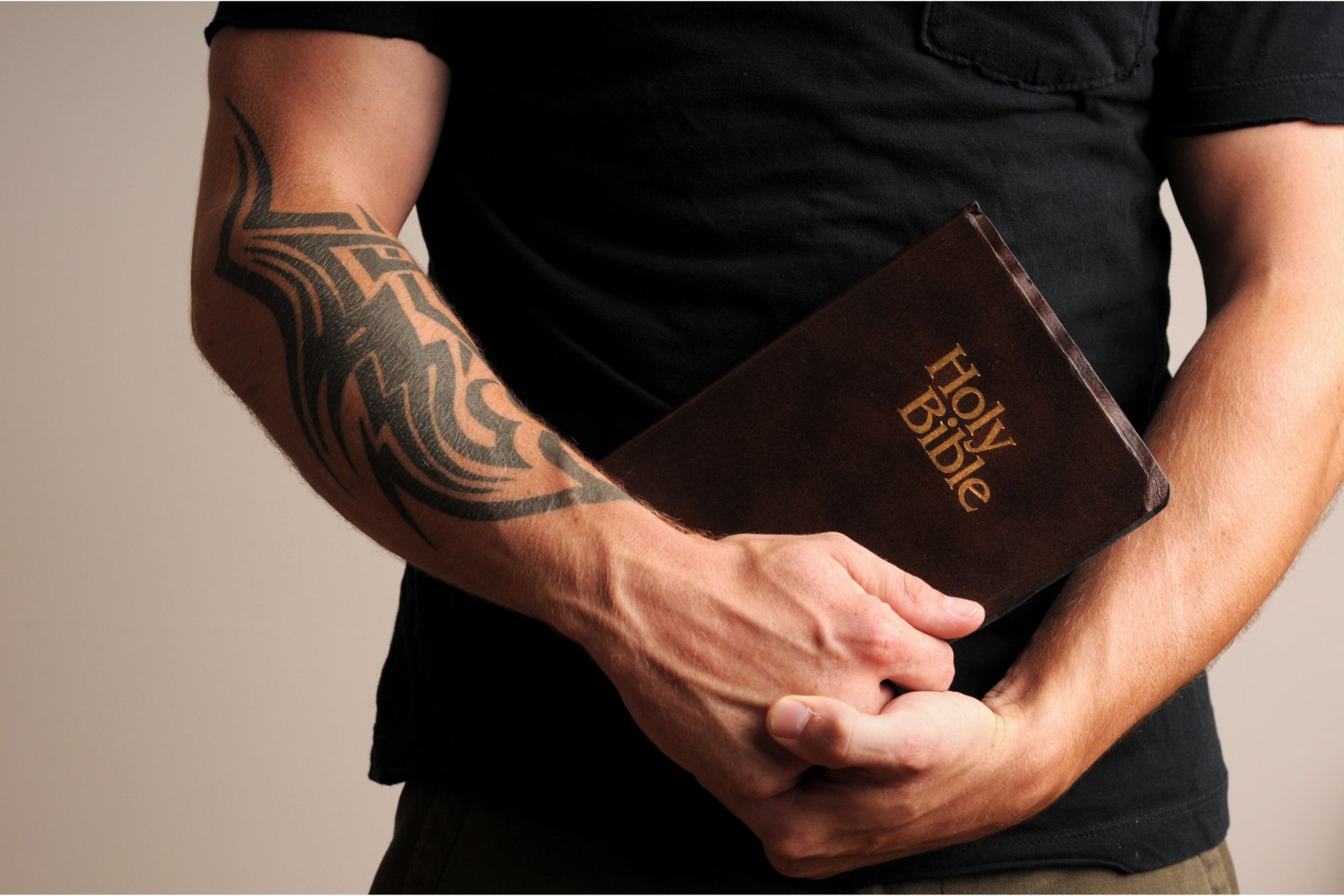
Health and Safety Matters Too
Caring for your body is part of caring for the temple, so the practical side deserves attention. The U.S. Food and Drug Administration publishes a fact sheet on tattoos and permanent makeup that covers infection risks, allergic reactions, and problems with contaminated ink. Choose a licensed studio that uses sterile, single-use needles, follows local health regulations, and will answer your questions openly. If a shop seems careless, walk out.
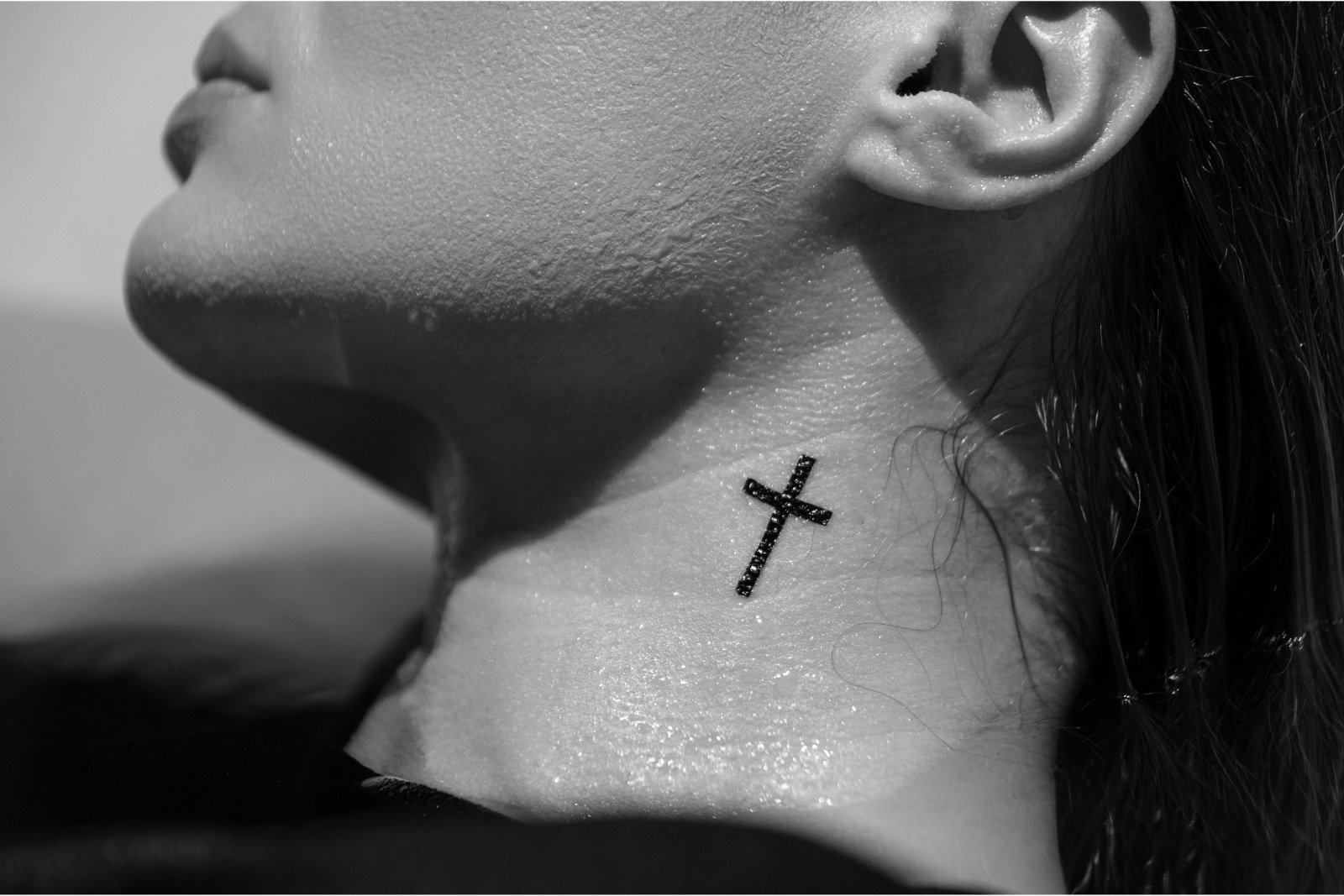
When to Consider Tattoo Removal
Getting a tattoo is a decision, and so is keeping one. Some Christians reach a point where they look at old ink and wonder if it still belongs on their body. That is not a failure. It is a normal part of growing, and the Bible speaks to change more than most people expect.
Good reasons to think about removal:
The tattoo is tied to a life you have left behind.
Some people got tattoos connected to gangs, occult symbols, past relationships, or lifestyles they walked away from after coming to faith. 2 Corinthians 5:17 says that anyone in Christ is a new creation and that the old has gone. If a tattoo works like a daily reminder of something painful or harmful, removing or covering it can be a healthy step.
Your conscience will not settle.
Romans 14:23 warns against acting against your convictions. If you have changed your mind about your tattoo after study and prayer, and it keeps troubling you, take that seriously instead of pushing it down.
It causes real harm in your relationships or witness.
A tattoo that keeps hurting your marriage, your family, or your ability to serve in a ministry context may be worth revisiting. Weigh this carefully, though. Not every raised eyebrow is a reason to erase something meaningful.
The design has a bad memory or hateful meaning attached.
Names of former partners, offensive imagery, and symbols you no longer hold are common candidates.
It is a health concern.
If a tattoo is infected, reacting badly, or was done with unsafe practices, talk to a doctor first.
Reasons to Wait for a Tattoo Removal
Removal is not a fix for a passing mood. If you feel embarrassed about a tattoo, ask whether the feeling comes from your own convictions or from someone else’s opinion. Also, a tattoo you dislike today might become part of your story later. Some believers keep an old tattoo precisely because it reminds them of who they were and what God did. Nothing in Scripture requires you to remove one, and nothing forbids it either.
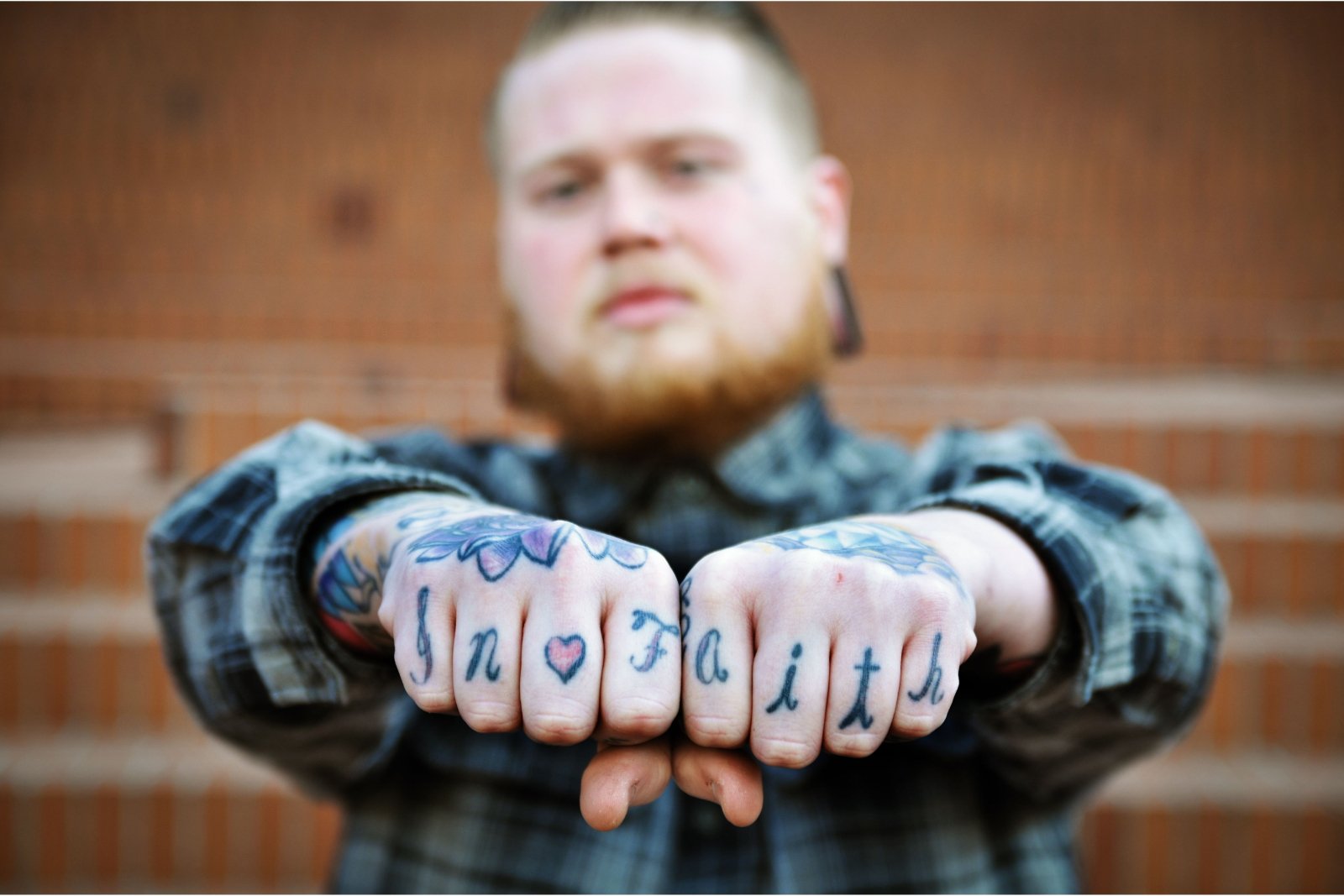
What to Know about Laser Tattoo Removal
The American Academy of Dermatology and the Mayo Clinic both describe laser treatment as the most common method, and both note that it usually takes multiple sessions spaced weeks apart. A few things to expect:
- Results vary. Dark ink tends to fade more easily than some colors, and complete removal is not guaranteed.
- It costs real money. Total price depends on size, ink, and the number of sessions, so ask for a full estimate up front.
- Side effects are possible. These can include blistering, changes in skin color, and scarring.
- Who does it matters. Look for a dermatologist or a properly trained provider working under medical oversight.
Removal is Not the Only Option
A skilled artist can often rework or cover an old tattoo with a new design. This is a popular choice for people who want to turn something regrettable into something meaningful, like a name into a flower or a symbol into a scripture reference. Cover-ups have limits, since the new design usually has to be darker and larger than the original, so ask an experienced artist for an honest opinion first.
If you are unsure which way to go, give it time and talk it over with someone you trust. As with getting a tattoo, a slow and prayerful decision usually beats a quick one.

Frequently Asked Questions
Is it a sin for a Christian to get a tattoo?
The Bible never gives a direct New Testament command about it, and Christians disagree on how to apply Leviticus 19:28. Many treat it as a matter of conscience under Romans 14. The safest guide is to avoid doing anything you believe is wrong, and to hold your view humbly.
Will a tattoo keep me out of heaven?
No. The Bible teaches that salvation comes by grace through faith in Christ, not by rule-keeping or physical appearance (Ephesians 2:8-9).
What if I got a tattoo before I became a Christian?
Nothing in Scripture says you need to remove it. Some people find that an old tattoo becomes part of their story of change. Others choose to cover or remove one that no longer fits, and that is a personal choice.
Should a pastor or church leader have visible tattoos?
Churches differ on this, and Scripture does not list tattoos among the qualifications for leadership. The qualifications in 1 Timothy 3 focus on character and conduct.
What are good Christian tattoo ideas?
Popular choices include the cross, a short Bible verse, a dove, an anchor (from Hebrews 6:19), or a date marking a spiritual milestone. Whatever you choose, make sure you understand and can explain its meaning.
The Bottom Line
The Bible does not hand us a simple yes or no on tattoos. Leviticus 19:28 is real and worth taking seriously, but its meaning and its reach for Christians today are honestly debated. The New Testament gives principles instead of rules: honor God with your body, act from faith and a clear conscience, do not cause a fellow believer to stumble, and remember that God looks at the heart.
If you decide to get a tattoo, do it slowly, prayerfully, and for reasons you can explain. If you decide against it, that is a fine decision too. And whichever way you go, extend the same grace to the Christian sitting across the table who chose differently.