
Creative Journaling Bible: How to Make Bible Study More Personal and Meaningful
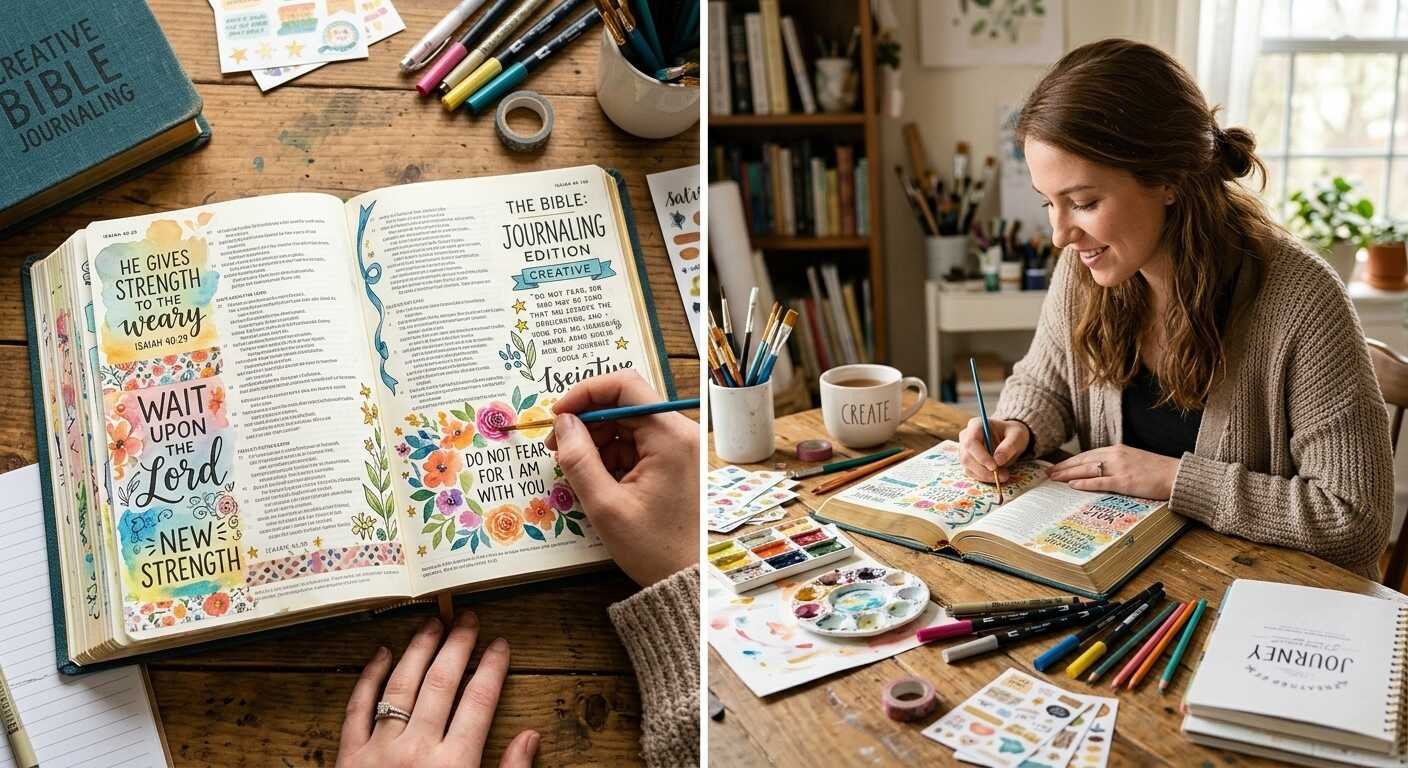
A creative journaling Bible can completely change the way you approach your daily Bible reading. Instead of simply reading a passage and moving on with your day, Bible journaling gives you a place to slow down, reflect on Scripture, write down what stands out, and creatively document what you are learning.
One of the things I love about creative Bible journaling is that there really isn’t one correct way to do it. Some people fill their Bible margins with handwritten prayers and colorful illustrations, while others prefer simple notes, highlighted verses, or a few meaningful words. Your Bible can become a personal record of your faith and the seasons of life you have walked through.
You also don’t need to consider yourself artistic to start. A creative journaling Bible is ultimately about spending meaningful time with Scripture, not creating perfect pages.
What Is a Creative Journaling Bible?
A creative journaling Bible is a Bible designed, or used, with additional space for writing, drawing, lettering, highlighting, and other forms of creative reflection.
Many journaling Bibles have wide margins beside the biblical text. Others include blank or lightly lined pages where you can write longer notes. Some even include illustrations that can be colored as part of your devotional time.
The extra space allows you to interact with Scripture instead of only reading it.
You might use the margins to:
- Write prayers
- Record Bible study notes
- Highlight meaningful verses
- Practice Scripture lettering
- Draw illustrations inspired by a passage
- Write down questions
- Record something you feel God is teaching you
- Add dates beside important verses
- Document answered prayers
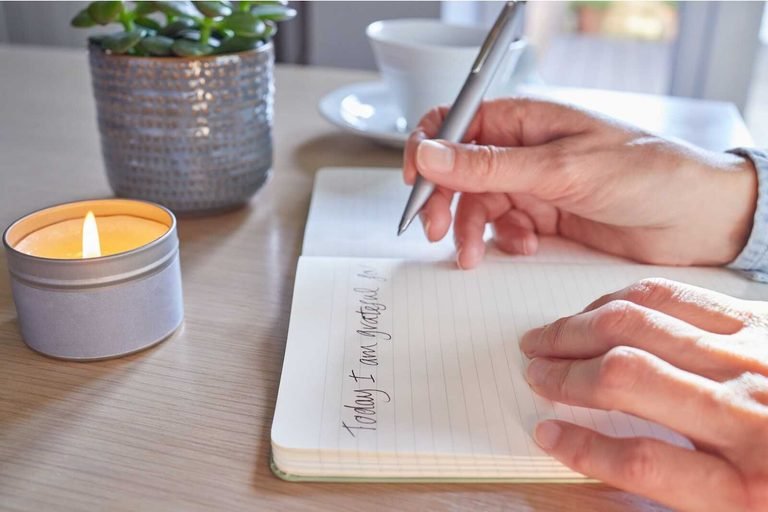
- Create small gratitude lists
- Add stickers, tabs, or decorative elements
Over time, these pages can become a beautiful record of your spiritual life.
Creative Bible Journaling Is About the Process
It is easy to search for creative Bible journaling ideas online and immediately feel intimidated. You might find elaborate watercolor paintings, gorgeous calligraphy, layered scrapbook pages, and Bible margins that look like professional artwork.
Those pages can certainly be inspiring, but they don’t have to become the standard for your own Bible.
The process matters much more than the finished page.
Creative journaling encourages you to stay with a passage longer than you normally might. You may read the same verse several times while deciding what words to highlight or what you want to write beside it. That slower pace can help you notice details you may have missed during a quick reading.
Your page doesn’t need to be worthy of Pinterest or Instagram. It needs to be meaningful to you.
How to Start Using a Creative Journaling Bible
When you’re first getting started, keep the process simple.
Choose a passage of Scripture and read it without worrying about what you’re going to create. Read through the passage once, then read it again more slowly.
Notice what catches your attention.
Maybe it’s a particular promise. Maybe a verse relates to something happening in your life right now. Perhaps there is a word you want to understand better or a question you want to explore.
Underline or highlight that portion of Scripture.
Then spend a few minutes thinking about why it stood out to you.
Your first journal entry could be nothing more than a sentence in the margin explaining why the verse felt important that day.
You can build from there.
A Simple Creative Bible Journaling Routine
Having a loose routine can make creative journaling feel much easier, especially if you’re staring at a blank margin and don’t know where to begin.
Start by choosing a quiet place where you can sit comfortably for a few minutes. Read your selected passage slowly, then identify one verse, phrase, or idea that you want to spend more time thinking about.
Next, write down your immediate thoughts. You might summarize the verse in your own words, write a short prayer, or connect the passage to something happening in your life.
After you’ve spent time reflecting on the Scripture itself, add the creative elements.
This could mean using colored pencils to highlight important words, lettering a short phrase in the margin, adding a sticker, drawing a simple image, or creating a small border around your notes.
Finish by writing the date somewhere on the page.
That tiny detail can become surprisingly meaningful years later.
What to Write in a Creative Journaling Bible
Sometimes the hardest part of Bible journaling isn’t the creative side. It’s figuring out what to write. You don’t have to come up with something profound every time you open your Bible. Write what is actually on your mind.
You can begin with simple questions such as:
- What does this passage teach me about God?
- What words or phrases keep catching my attention?
- Is there something here that I need to apply to my own life?
- Does this verse bring someone to mind?
- Is there something I need to pray about after reading this?
- What am I grateful for today?
- What questions do I still have about this passage?
- Is there a promise I want to remember?
- What does this Scripture mean to me during my current season of life?
Your entries will naturally change over time. Some days you might write half a page. Other days you might underline one sentence and write three words beside it. Both count.
See our guide to 50 Simple Faith Journaling Prompts To Get You Started.
Creative Journaling Bible Ideas to Try
Once you’re comfortable writing in your Bible, you can start experimenting with different creative techniques.
Try hand lettering a meaningful word from the passage in larger letters. Draw a simple botanical border around a favorite verse. Use coordinating highlighter colors for different themes, such as prayer, promises, wisdom, or gratitude.
You can also add small pieces of decorative paper or washi tape to mark passages you return to frequently.
Another idea is to create a visual representation of a verse. It doesn’t need to be an elaborate illustration. If you’re reading about growth, for example, you might draw a small plant. A passage about light could inspire a sun, candle, or simple rays around the verse.
If drawing isn’t your thing, use words instead. Write the most meaningful phrase from the passage in large lettering and surround it with smaller notes about what it means to you.
Bible Journaling for People Who Aren’t Artistic
You absolutely do not need to know how to draw. In fact, some of the most meaningful journaling Bible pages are mostly handwriting.
Try creating a page using only a pen and one highlighter. Underline the verse you want to remember, highlight one or two important words, and write your thoughts in the margin.
You could also use alphabet stickers, stamps, stencils, or printed Bible journaling elements if you like the appearance of illustrated pages but don’t enjoy drawing. Creativity isn’t limited to artwork.
The way you organize your thoughts, choose colors, arrange words, or connect different passages can all be part of the creative process.
Choosing the Best Creative Journaling Bible
If you’re shopping for a new Bible specifically for journaling, think about how you plan to use it before choosing one.
Margin size is one of the most important features. If you primarily want to write notes, look for wide margins with lines or plenty of blank space.
Paper thickness matters if you want to use art supplies. Bible paper is traditionally thin, and some pens and markers can bleed through the page. A Bible made specifically with journaling or illustrating in mind may work better for creative projects.
You should also consider the Bible translation.
Popular options for journaling include the ESV Journaling Bible, NLT Journaling Bible, NIV journaling editions, and other wide-margin Bibles. Choose a translation that you enjoy reading and can comfortably understand. The best journaling Bible is ultimately one that you’ll actually want to open regularly.
Binding and overall size matter too. A beautiful oversized Bible may give you plenty of room for artwork, but it may not be practical if you want to take it to church, Bible study, or a coffee shop.
Think about your real lifestyle rather than choosing solely based on appearance.
Creative Journaling Bible Supplies Worth Buying
You don’t need an enormous collection of supplies to get started. A Bible, a good pen, and a highlighter are enough. As you get more comfortable, you can slowly add supplies based on the type of journaling you enjoy.
Some helpful creative journaling Bible supplies include:
- Bible-safe pens
- No-bleed highlighters
- Colored pencils
- Mechanical pencils and erasers
- Washi tape
- Bible tabs
- Alphabet stickers
- Decorative stickers
- Clear stamps
- Ink pads
- Stencils
- Fine-tip markers
- Watercolor pencils
- Page clips
- A pencil pouch or supply organizer
Before using a new pen, marker, ink, or paint on an important page, test it somewhere less noticeable. Thin Bible pages can react very differently to art supplies than regular notebook paper.
You also don’t need to buy everything at once. Start with a few basic supplies and pay attention to what you actually reach for.
Using Color Coding in Your Journaling Bible
Color coding can make your Bible both creative and functional.
You might assign colors to specific themes. For example, one color could represent prayer while another marks God’s promises. Other categories might include wisdom, relationships, encouragement, faith, parenting, gratitude, or verses you want to memorize.
Keep your system manageable.
If you create 15 different categories with similar colors, you may spend more time trying to remember your highlighting system than reading Scripture. Four or five broad categories are often much easier to maintain.
You can create a small color key on an inside cover or blank page so you don’t have to remember everything.
Add Dates to Your Bible Journaling Pages
One of my favorite simple Bible journaling habits is dating entries. Your interpretation of a verse can feel completely different depending on what is happening in your life.
A passage you journal about during a difficult season may become the same passage you return to several years later with an entirely different perspective.
Writing the date beside your notes turns your Bible into a timeline. Years from now, you may open to a familiar page and remember exactly why those words mattered to you.
Bible Journaling as Part of Your Daily Lifestyle
A creative journaling Bible doesn’t need to become another item on your daily to-do list. Instead, find ways to make it fit naturally into your existing routine.
You might spend 15 minutes journaling with your morning coffee. Someone else might prefer doing it at night after the house becomes quiet. You could journal after church while the sermon is still fresh in your mind or dedicate a longer block of time to it on Sunday afternoons.
Keep your Bible and supplies somewhere easy to reach.
A small basket containing your Bible, pens, highlighters, and a few favorite supplies makes it much easier to sit down and begin. If everything is tucked into different drawers throughout the house, starting can feel like a project of its own.
Creative Bible Journaling for Busy Moms
Bible journaling can feel difficult during busy seasons of motherhood, especially when quiet time is unpredictable. You don’t need an uninterrupted hour. Five or ten minutes can still be meaningful.
Keep your supplies simple and accessible. Instead of pulling out paint, stamps, stickers, and several different pens every time, create a small Bible journaling pouch with your everyday essentials.
Read a short passage while drinking your coffee. Highlight one verse. Write one sentence about what it means to you.
If your kids interrupt, that’s okay. You can come back later. A realistic faith routine that fits into your life is much more sustainable than an elaborate routine you rarely have time to complete.
Creating a Bible Journaling Space at Home
You don’t need a dedicated craft room to create a comfortable Bible journaling space. A small corner of your kitchen table, nightstand, desk, or favorite chair can work perfectly.
Keep a basket nearby with your most frequently used supplies. You might include your Bible, devotional, journal, pens, highlighters, sticky notes, and a few decorative supplies.
Good lighting helps, especially when you’re reading small Bible text or working with fine-tip pens.
If you enjoy journaling in different places, use a zippered pouch or small portable organizer instead of keeping everything in one permanent location.
Then you can easily take your creative journaling Bible to church, Bible study, a coffee shop, or outside on a nice morning.
Don’t Be Afraid to Write in Your Bible
For some people, the biggest hurdle is simply making that first mark. A brand-new Bible feels pristine. Writing across the page, highlighting a verse, or accidentally making a crooked line can feel strangely intimidating.
Start in pencil if that makes you more comfortable. Eventually, those imperfect pages become part of what makes your Bible special.
You may have messy handwriting from a rushed morning, a highlighter that bled through slightly, or an illustration that didn’t turn out quite the way you imagined.
That’s okay. This is a Bible you’re actively using, not a display piece.
Use a Separate Journal When You Need More Space
Even a wide-margin creative journaling Bible has limited writing space. If a passage brings up something you want to explore in greater depth, continue your thoughts in a separate notebook.
You can create a simple cross-reference between the two. Write the date or journal page number in your Bible margin, then record the Scripture reference at the top of the corresponding notebook entry.
This gives you the convenience of short notes inside your Bible without limiting deeper reflections.
Creative Bible Journaling and Prayer
Bible journaling can naturally become a form of prayer journaling. After reading a passage, turn what you’ve read into a prayer.
If you’re reading about patience, for example, write a short prayer asking for patience in a specific situation. If you’re reading about gratitude, list several things you’re thankful for.
You can also write down prayer requests beside relevant verses. When a prayer is answered, return to that page and add the date or a short note about what happened.
Over time, these pages can become reminders of prayers you’ve prayed and ways you’ve seen God work in your life.
Try Scripture Mapping
Scripture mapping is another helpful technique to incorporate into creative Bible journaling. Choose one verse and explore it more deeply.
Write down important words, look at the surrounding verses for context, compare translations, identify related Scriptures, and note any questions that come to mind.
You can use arrows, circles, boxes, or different colored pens to visually organize everything. This approach combines the creative side of journaling with deeper Bible study.
Just remember that context matters. A single verse can be meaningful on its own, but understanding who wrote the passage, who it was written to, and what surrounds it can help you interpret it more accurately.
Create a Scripture Memory Page
If there are verses you want to memorize, dedicate a blank journaling page to them. Write the verse in large lettering and emphasize key words using different lettering styles or colors.
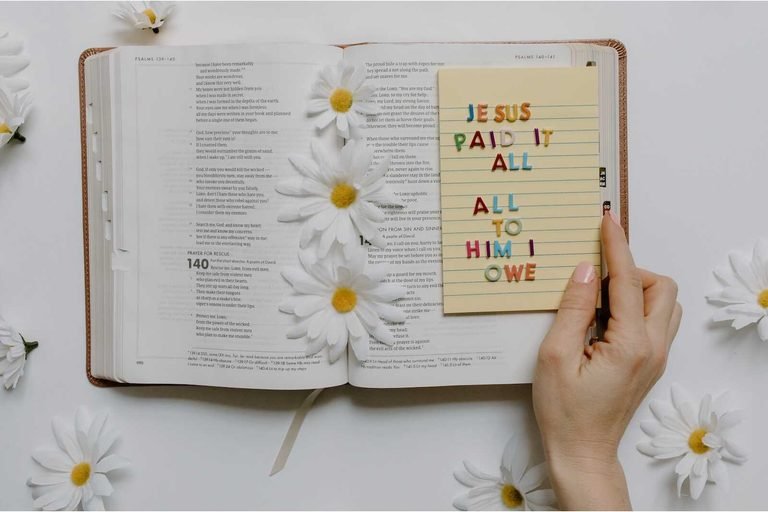
You could also write the verse on a small card or sticky note and keep it somewhere you’ll see frequently.
Returning to the same verse throughout the week can help move it from something you simply highlighted to something you actually remember.
Use Your Journaling Bible During Sermons and Bible Studies
Your creative journaling Bible doesn’t have to stay at home. Bring it to church or Bible study and use the margins for notes.
Instead of trying to record everything someone says, write down the points that genuinely help you understand the passage. You can add the date, sermon title, speaker, or study topic beside your notes.
Later, when you encounter that Scripture again, you’ll have a record of what you learned.
Avoid Turning Bible Journaling Into a Performance
Social media can be a wonderful source of creative Bible journaling inspiration, but it can also create unnecessary pressure.
- You don’t need to photograph every page.
- You don’t need perfect handwriting.
- You don’t need an aesthetic collection of matching supplies.
- And you definitely don’t need to compare your Bible with someone else’s.
Some pages might be colorful and elaborate. Others might contain nothing more than a hastily written prayer. Your Bible journaling practice should serve your faith, not an algorithm.
Use Pinterest and social media when you need inspiration, then give yourself permission to close your phone and create something that’s entirely your own.
Common Creative Bible Journaling Mistakes
One common mistake is buying too many supplies before you know what you enjoy. It’s easy to purchase dozens of markers, stickers, stamps, and specialty tools only to discover that you prefer simple pen-and-highlighter journaling.
Another mistake is prioritizing the artwork over the Scripture. Creative elements should help you engage with what you’re reading rather than distract you from it.
It’s also easy to compare your beginning with someone else’s years of practice.
Finally, don’t feel like every page needs to be finished in one sitting. You can return to a passage tomorrow, next month, or even years later.
How to Build a Creative Journaling Bible Habit
Consistency becomes easier when the goal is realistic.
Instead of deciding that you’ll create an elaborate Bible journaling page every morning, start with something small.
- Choose three mornings a week.
- Read one passage.
- Highlight one verse.
- Write one thought.
If you feel inspired to continue, keep going. If not, close your Bible and continue with your day. The goal isn’t filling pages as quickly as possible. It’s creating space in your routine to engage with Scripture thoughtfully.
Creative Journaling Bible Ideas for Different Seasons of Life
Your journaling can change along with your life:
- During a stressful season, you might highlight Scriptures about peace and trust.
- During pregnancy or motherhood, you may find yourself returning to passages about children, wisdom, patience, and family.
- During periods of uncertainty, you might focus on faith, courage, and God’s promises.
- During joyful seasons, your pages might become filled with gratitude.
This is one reason journaling Bibles become so personal over time. Your notes aren’t simply observations about Scripture. They also document where you were in life when certain passages became meaningful.
Is a Creative Journaling Bible Worth It?
If writing, highlighting, drawing, or taking notes helps you slow down and engage more deeply with Scripture, a creative journaling Bible can absolutely be worth adding to your faith routine.
You don’t need artistic talent or an expensive collection of supplies. Start with a Bible that gives you enough space to write, a pen you enjoy using, and maybe a few highlighters or colored pencils. Then make the process your own.
Some days might involve a detailed illustrated page. Other days might simply include a highlighted verse and a short prayer squeezed into the margin.
Both can be meaningful.
The best creative journaling Bible isn’t necessarily the prettiest one on the shelf. It’s the Bible that becomes filled with your notes, questions, prayers, observations, dates, and reminders of what you were learning along the way.
Years from now, those handwritten pages may be the part you treasure most.



One Comment
Comments are closed.