What Is an NLT Journaling Bible? (Plus NLT vs. ESV, Top Brands & Beginner Tips)
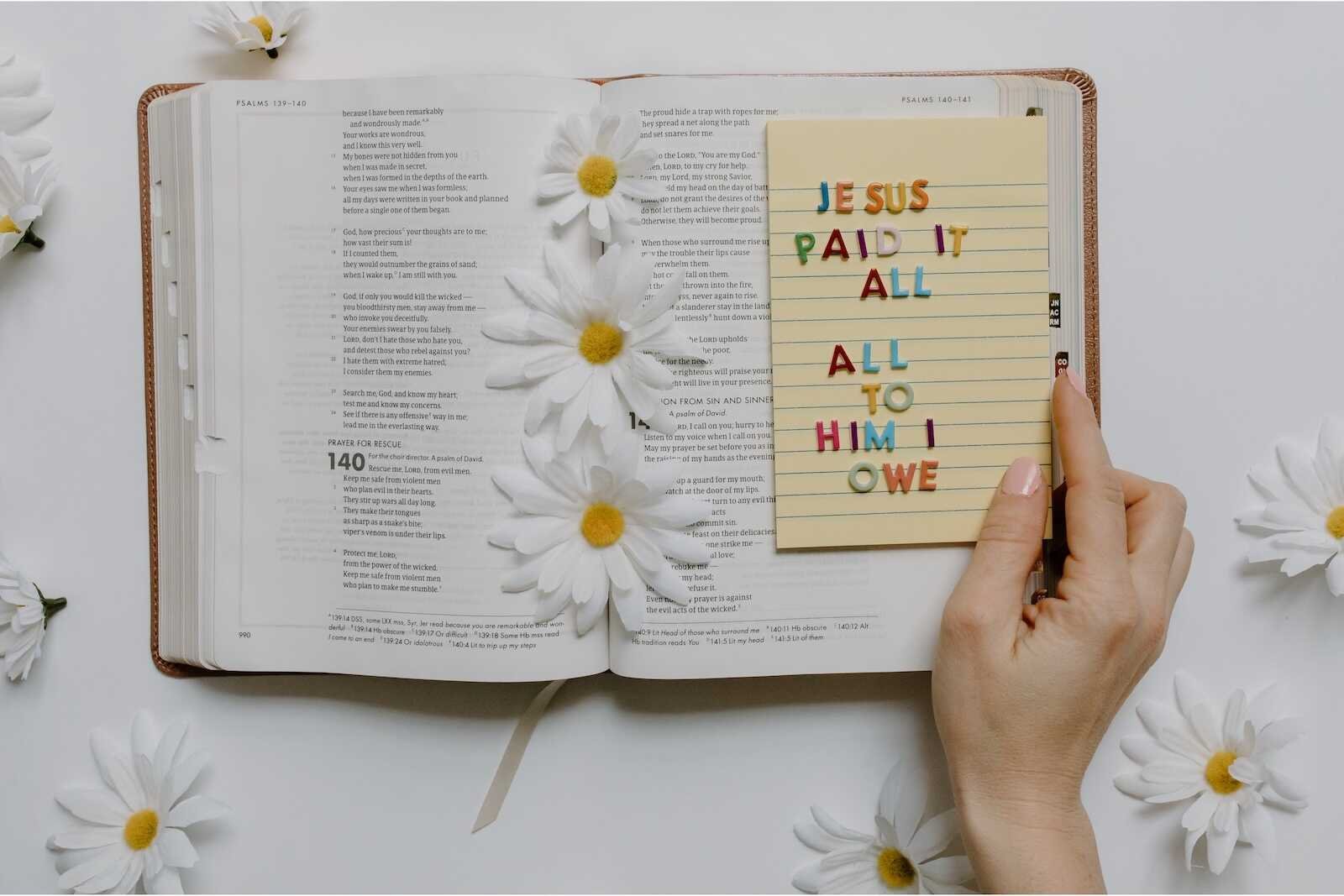
If you have spent any time on Instagram or Pinterest looking at creative quiet times, you have likely seen Bibles filled with handwritten notes, colorful illustrations, underlined verses, and memory tabs. At the center of this practice is a specific tool: the journaling Bible.
Among the various translations available today, the NLT Journaling Bible has quickly become one of the most popular choices for both seasoned artists and everyday readers. But what exactly makes an NLT Journaling Bible unique, how does it compare to options like the ESV, and how can you get started without feeling overwhelmed?
What Is an NLT Journaling Bible?
An NLT Journaling Bible is a print edition of the Holy Bible in the New Living Translation that features extra-wide, lined or unlined margins on every page. Standard Bibles leave only about half an inch of margin space, making it difficult to write anything beyond a brief cross-reference. A journaling Bible typically provides 2 to 3 inches of blank or faint rule margin space along the outer edge of each page.
The translation itself is key to its appeal. The New Living Translation (NLT) was published in 1996 by Tyndale House Publishers. It uses a dynamic equivalence translation methodology—meaning it focuses on thought-for-thought translation rather than word-for-word accuracy. This renders ancient Hebrew and Greek texts into contemporary, natural English that flows easily when read aloud.
When you combine the accessible language of the NLT with wide margins designed specifically for writing, you get a Scripture engagement tool built for personal reflection, prayer journaling, and creative response.
NLT vs. ESV Journaling Bible: What Is the Difference?
When shopping for a journaling Bible, the two most common translations you will see are the NLT (New Living Translation) and the ESV (English Standard Version). Choosing between them usually comes down to your personal Bible study goals and reading preference.
The NLT uses a dynamic equivalence (thought-for-thought) translation style, making it read at roughly a 6th-grade reading level. Its conversational phrasing makes it an ideal fit for devotional reading, expressive journaling, daily quiet times, and beginner study. NLT journaling Bibles commonly come in single-column, double-column, and Filament-enabled editions.
The ESV uses an essentially literal (word-for-word) translation approach with an 8th-to-10th-grade reading level, giving it a more formal and traditional feel. It is particularly well-suited for in-depth exegesis, verse-by-verse study, and scripture memorization. In addition to single-column and double-column options, ESV journaling layouts include Interleaved editions featuring full blank pages alongside text pages.
The core difference lies in their intent: the ESV retains the literary structure of classic translations for precise analytical work, while the NLT prioritizes immediate comprehension and emotional connection. Many readers choose the NLT for journaling because its fluid language naturally inspires personal reflection and direct application.
See our guide to ESV Journaling Bible here.
Why Do People Do Bible Journaling?
Bible journaling is far more than a decorative trend. For thousands of believers, it is a spiritual discipline that transforms how they interact with Scripture. Here are the primary reasons people adopt this practice:
Active Engagement over Passive Reading
Holding a pen forces you to slow down. Rather than skimming through chapters to check off a reading plan, journaling encourages lingering over a single paragraph or verse.
Visual Memory and Retention
Writing out key insights or highlighting passage themes helps embed scripture into your long-term memory.
A Record of Faithfulness
A completed journaling Bible becomes a faith legacy. Years down the road, you can look back and see what God was teaching you during specific seasons of life.
Creative Expression as Worship
God created humans with creative capacities. For visual thinkers, using lettering, watercolor, or color-coding is a legitimate act of praise and meditation on the Word.
Top Brands for NLT Journaling Bibles
If you are ready to purchase, several publishers offer exceptional NLT journaling editions tailored to different aesthetics and study needs.
1. Tyndale House Publishers
As the official publisher of the NLT, Tyndale offers the widest variety of NLT Journaling Bibles. Their flagship series includes the NLT Reflections Bible, which features 2-inch ruled margins and high-quality cream paper.
Tyndale also integrates their popular Filament Bible App technology into many journaling editions. By scanning a small symbol on the page with your phone or tablet, you instantly access study notes, devotionals, maps, and videos without cluttering the print page itself.
2. Hosanna Revival
Hosanna Revival produces some of the most beautiful, hand-painted cover designs on the market. They partner directly with Tyndale to publish NLT editions featuring custom cloth-over-board covers with intricate botanical artwork. Inside, you will find generous margins, beautiful typography, and sturdy paper designed for daily use.
3. Crossway (Industry Benchmark)
While Crossway exclusively publishes the ESV translation, they set the standard for journaling layout formats (such as the ESV Single Column Journaling Bible and the Interleaved Edition). Many design principles pioneered by Crossway have influenced how NLT journaling Bibles are crafted today.
4. Illustrated Faith / DaySpring
Illustrated Faith created tools specifically catered to the creative Bible journaling community. In partnership with DaySpring, they offer creative devotions, specialized journaling Bibles, and bleed-resistant art kits tailored specifically for paper-thin Bible pages.
Useful Tips for Beginners
Golden Rule of Bible Journaling: Do not let the fear of making a mistake on thin Bible paper keep you from starting. Your Bible is a tool for connection, not a gallery piece meant to stay flawless.
Choose the Right Pens
Standard Bible paper is light (around 22 to 30 gsm), which means ink can bleed through to the back side. Stick to micron fineliners (like Sakura Pigma Micron), archival gel pens, or twistable colored pencils. Avoid permanent markers or alcohol-based ink pens at all costs.
Test Your Supplies First
Every journaling Bible has a few blank pages in the back (or index pages). Use these pages as a test swatch zone to see if your favorite pens show through or bleed.
Start Small with Margin Notes
You do not need to draw elaborate murals. Begin by writing out key definitions, personal prayers, or cross-references in the side margins as you read your daily chapter.
Use Prep Products for Painting
If you want to use watercolor or acrylic paint, apply a light coat of clear gesso to the page first. Clear gesso seals the paper’s porous surface, preventing liquid paint from soaking through the page.
Focus on the Meaning, Not the Art
Always ask yourself what the passage reveals about God’s character before picking up a pen. The goal is spiritual growth, not artistic perfection.
Final Thoughts
An NLT Journaling Bible brings together readable scripture and intentional white space. Whether you choose a simple leather-look edition from Tyndale or a hand-painted cover from Hosanna Revival, the goal remains the same: to engage deeply with God’s Word in a way that resonates with your heart and mind.





2 Comments
Comments are closed.