Bible Quotes for Self Love: 10 Verses That Show How God Sees You

You catch yourself in the bathroom mirror at seven in the morning and your brain immediately starts filing complaints. Puffy eyes. The comment you made in yesterday’s meeting that keeps replaying. The email you still haven’t answered. Before you’ve finished brushing your teeth, you’ve built a whole case against yourself.
If that sounds familiar, you are in good company. Most of us can be endlessly patient with a friend who is struggling, then turn around and talk to ourselves in a way we would never talk to anyone we love. Comparison makes it worse. Scroll for five minutes and everyone else looks healthier, more productive, and more put together than you feel.
For Christians there is an extra layer. Somewhere along the way many of us picked up the idea that thinking well of ourselves is selfish, or that humility means holding a low opinion of who we are. So we feel guilty for wanting peace with ourselves, and then we feel guilty for feeling guilty.
Here is the good news. The Bible never asks you to hate yourself in order to honor God. Scripture is full of verses about how God sees you, and that view is the foundation of healthy self love. Below are ten Bible quotes for self love, each with a plain look at what it means on an ordinary Tuesday. All quotes come from the World English Bible, a public domain translation.
Is Self Love Biblical?
Yes, once we define it properly. Self love in the Bible is not pride or vanity. Pride says, “I am better than other people.” Biblical self love says, “I am valued by the God who made me, so I can treat myself with care and treat others the same way.”
Jesus and Paul both assumed that people look after themselves. Paul wrote that nobody ever hated their own body, but feeds it and cares for it (Ephesians 5:29). The goal is not to think about yourself all day. It is to stop treating yourself as the enemy.
10 Bible Quotes for Self Love
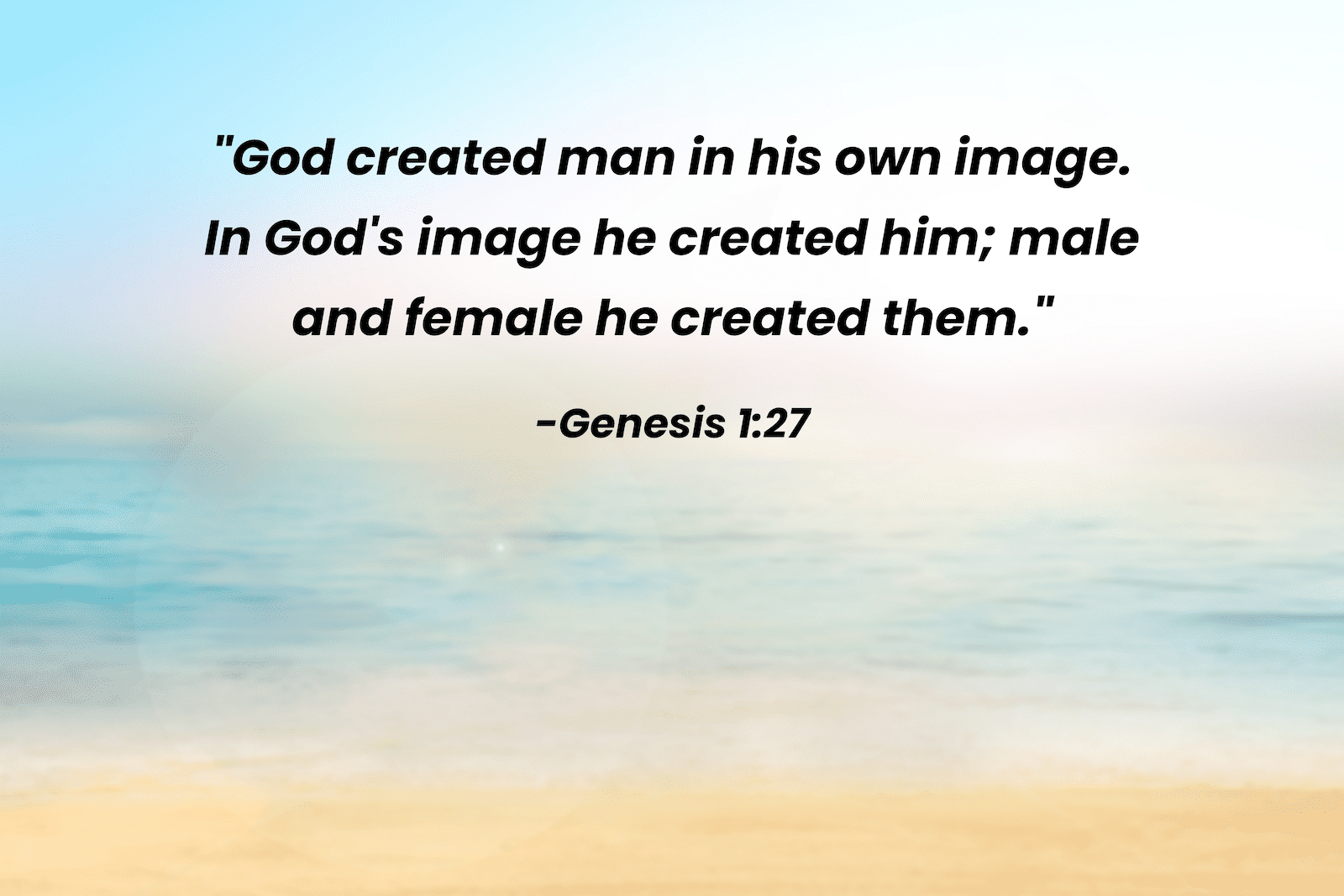
“God created man in his own image. In God’s image he created him; male and female he created them.” – Genesis 1:27
What it means today: Your worth was settled before you ever accomplished anything. You were made in God’s image before you had a résumé, a body you liked, or a single good habit. That means your value is not something you earn on a good day and lose on a bad one. When you are tempted to measure yourself by your productivity or your appearance, this verse is a reminder that the measurement started somewhere else entirely.
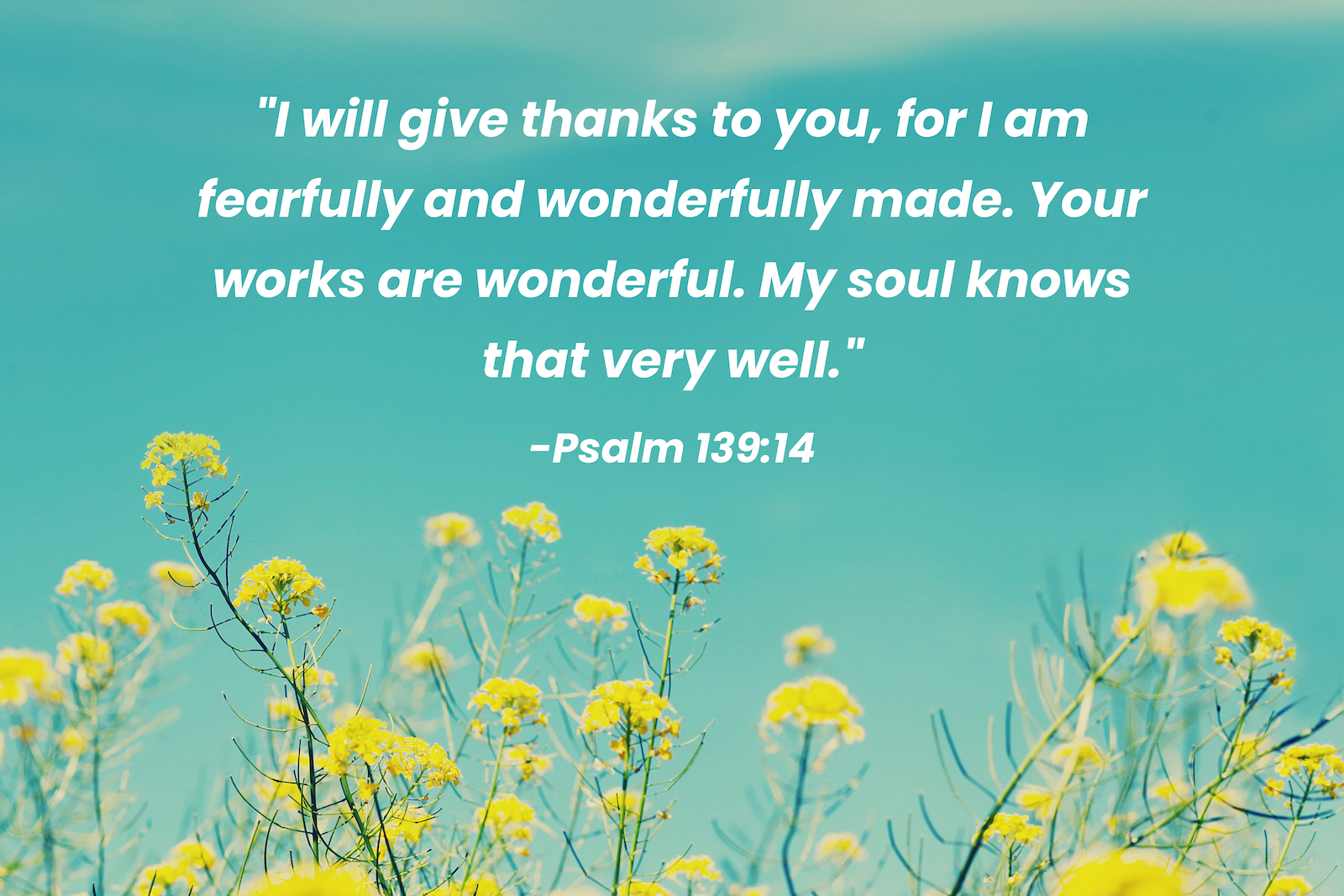
“I will give thanks to you, for I am fearfully and wonderfully made. Your works are wonderful. My soul knows that very well.” – Psalm 139:14
What it means today: Think about the parts of yourself you tend to apologize for. Maybe you are quiet in a loud family, or you feel too sensitive, or you have a body that has been through a lot. The psalmist does not say he was made perfectly by the world’s standards. He says he was made with care and skill. Try saying this verse out loud the next time you catch yourself criticizing your reflection. It feels awkward at first, and it still works.
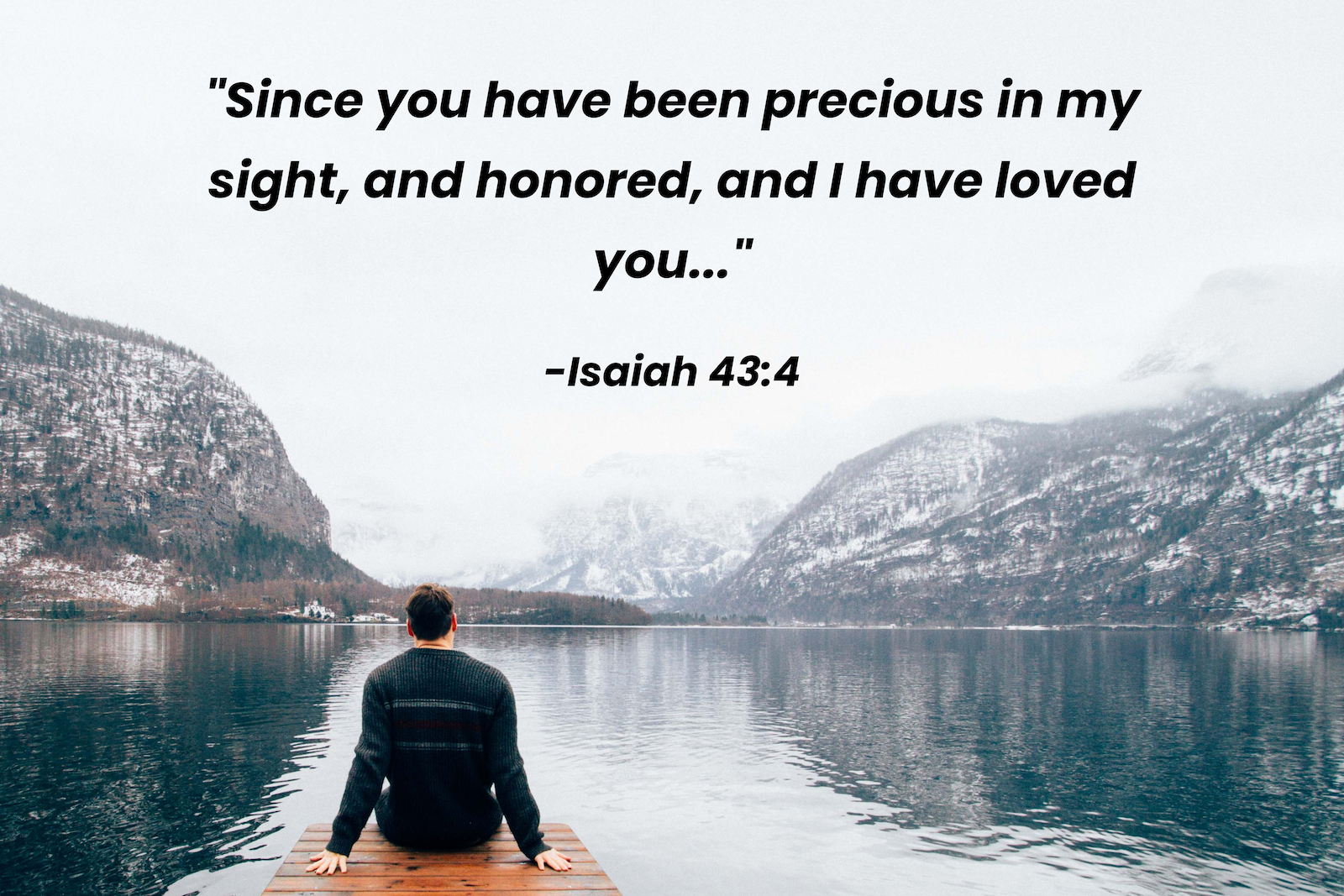
“Since you have been precious in my sight, and honored, and I have loved you…” – Isaiah 43:4
What it means today: Many of us quietly believe God tolerates us. We picture him as a patient manager who is tired of our mistakes. This verse describes something very different. God calls you precious and honored, and he places his love in the past tense, as something already true. You do not have to convince him to feel that way. For anyone who has been overlooked at work, dropped by a friend, or passed over in a relationship, that is a steadying thing to hold onto.
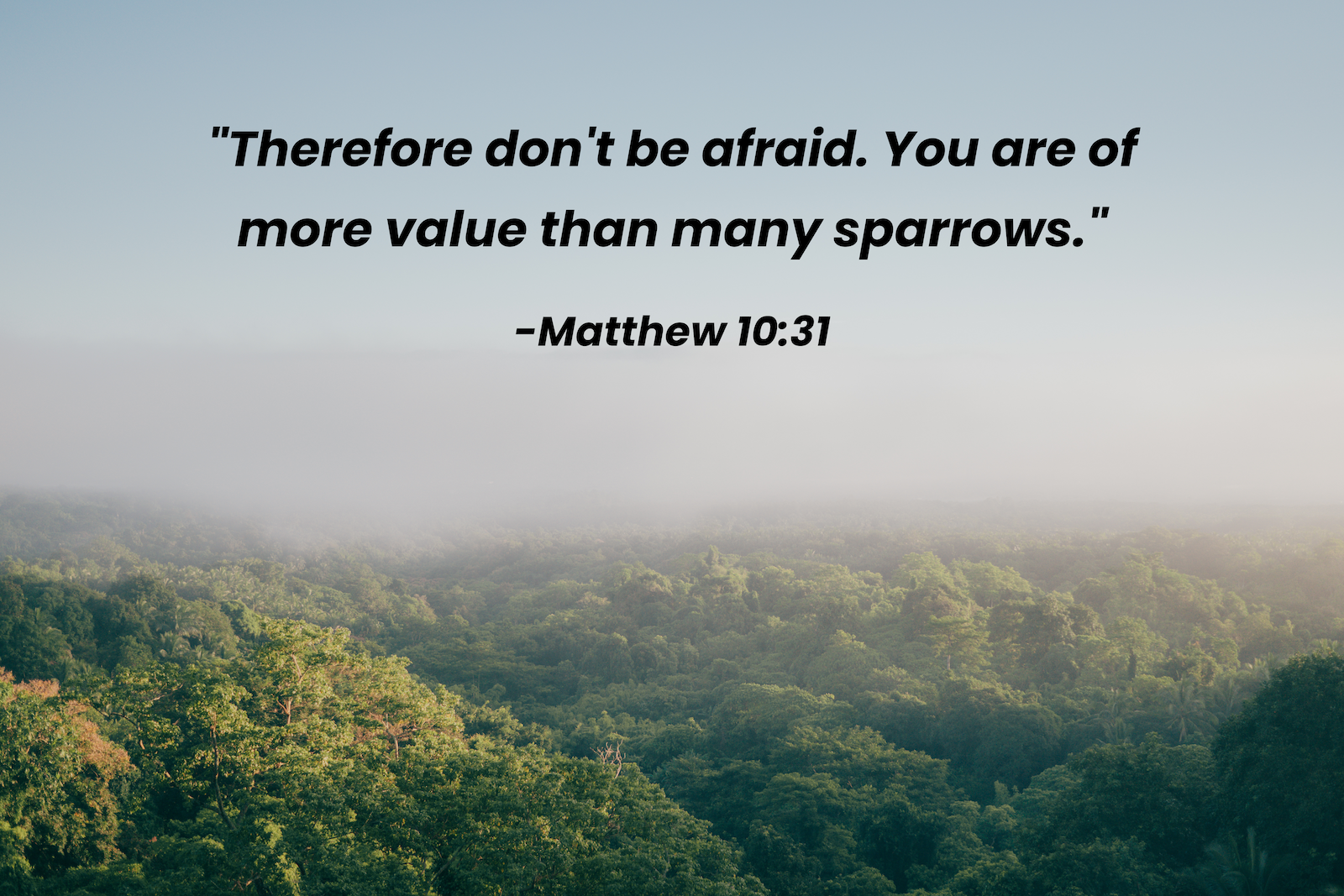
“Therefore don’t be afraid. You are of more value than many sparrows.” – Matthew 10:31
What it means today: Jesus says this right after pointing out that God notices every sparrow that falls. If he pays attention to birds, he certainly pays attention to you. The modern version is that you do not have to prove you matter. On the days when you feel invisible, like one more name in a group chat or one more face in a crowded office, this verse says you are seen. Someone is keeping track of you, and it is not to catch you failing.
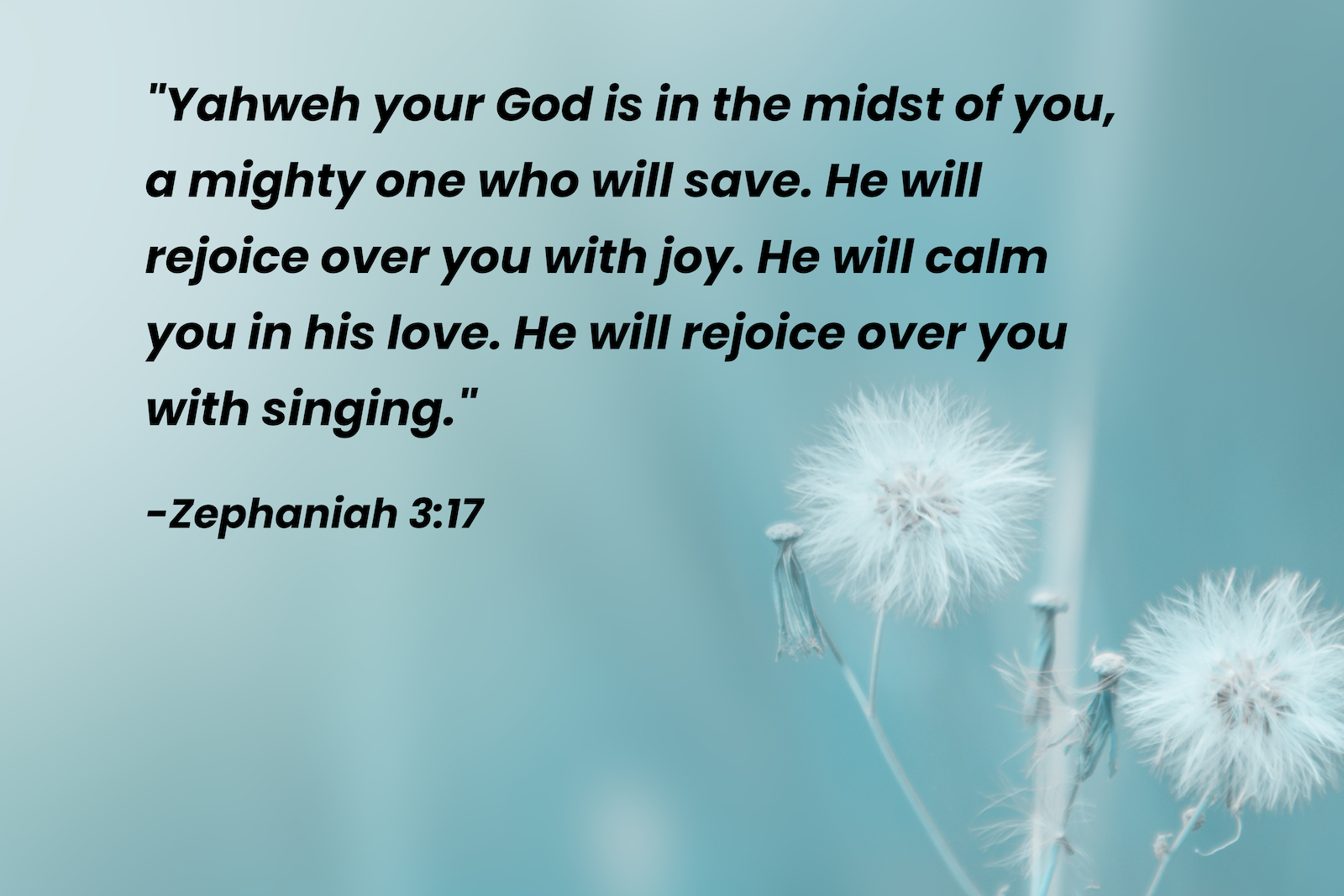
“Yahweh your God is in the midst of you, a mighty one who will save. He will rejoice over you with joy. He will calm you in his love. He will rejoice over you with singing.” – Zephaniah 3:17
What it means today: Most people imagine God’s face turned toward them with a frown. This verse describes God singing over you. Picture how a parent looks at a sleeping baby, with no agenda and no list of things the baby needs to fix. If you lie awake at night replaying your failures, this is worth reading slowly. The phrase “calm you in his love” speaks directly to an anxious mind.
“But God commends his own love toward us, in that while we were yet sinners, Christ died for us.” – Romans 5:8
What it means today: Self love gets hard when we remember our worst moments. This verse tells us that God did not wait for us to clean up before he acted. Christ died for people at their lowest, not their best. That changes how you can treat your own failures. You do not have to become impressive before you are allowed to like yourself. You can be honest about your flaws and still be deeply loved, because that is exactly the order in which love arrived.
“There is therefore now no condemnation to those who are in Christ Jesus…” – Romans 8:1
What it means today: Condemnation is that heavy, sinking voice that says, “You always do this. You will never change.” Paul says that voice has no legal standing for people in Christ. Conviction and condemnation are not the same thing. Conviction says, “That was wrong, so let’s make it right.” Condemnation says, “You are wrong, so why bother.” When you blow up at your kids, forget a commitment, or relapse into an old habit, you can own it, apologize, and move forward without living under a verdict that has already been overturned.
“Therefore if anyone is in Christ, he is a new creation. The old things have passed away. Behold, all things have become new.” – 2 Corinthians 5:17
What it means today: A lot of self hatred comes from being stuck in our history. We are still the person who failed that class, ended that relationship, or made that choice we would take back in a heartbeat. This verse says your past is not your identity. Becoming a new creation is not a self-improvement plan you have to complete. It is a description of what God has done. Growth still takes time, but you are working from a fresh starting point instead of a hole.
“For we are his workmanship, created in Christ Jesus for good works, which God prepared before that we would walk in them.” – Ephesians 2:10
What it means today: The word “workmanship” carries the idea of a handmade piece of art. You are not a mass-produced product with defects. You have a purpose that was prepared for you in advance. That matters for anyone who feels like they are behind in life, watching friends reach milestones while they are still figuring things out. Your timeline is not a mistake, and the good work meant for you has not expired.
“You shall love your neighbor as yourself.” – Mark 12:31
What it means today: Jesus calls this one of the two greatest commandments, and it quietly assumes you have some healthy regard for yourself to begin with. If you run on empty, criticize yourself constantly, and never rest, you will likely pass that same harshness on to the people around you. Loving yourself well, which includes sleep, boundaries, kind self-talk, and forgiveness, is part of how you become able to love others without resentment.
How Belief in Christ Makes Self Love Possible
Self esteem that depends on performance is fragile. It goes up when you get a promotion and drops when you get a bad review. It rises with compliments and collapses with criticism. You end up chasing the feeling instead of standing on anything solid.
Faith in Christ offers a different foundation. Your worth does not come from what you do, how you look, or what other people think. It comes from what God has already said about you and what Christ has already done. That is why the verses above keep pointing outward. They do not tell you to try harder to feel good about yourself. They tell you to look at how you are seen and loved.
This also changes how you handle failure. Without grace, every mistake becomes evidence against you. With grace, a mistake is something to confess, learn from, and leave behind. Forgiveness is not a loophole. It is the thing that lets you get up again.
A few practical ways to live this out:
- Pick one verse from this list and write it where you will see it, like your bathroom mirror or phone lock screen.
- When a harsh thought shows up, ask whether you would say it to a friend. If not, replace it with what Scripture says.
- Pray honestly about the parts of yourself you struggle to accept. God can handle the unpolished version.
- Stay connected to a church or small group. Hearing other people say “me too” does more for shame than most people expect.
One more thing worth saying plainly. If negative thoughts about yourself feel constant or overwhelming, or if you are dealing with depression or anxiety, talking with a licensed counselor is a wise step. Seeking professional help and trusting God are not competing choices. Many people find that both work together.
Frequently Asked Questions
Is it a sin to love yourself?
No. The Bible warns against pride and selfishness, but it also tells us to love our neighbor as ourselves, which assumes a healthy care for our own wellbeing.
What is the best Bible verse for low self esteem?
Many people start with Psalm 139:14 because it speaks directly to how God made you. Isaiah 43:4 and Zephaniah 3:17 are also good choices when you need to hear how much God delights in you.
How can I love myself as a Christian?
Begin by agreeing with what God says about you instead of what your inner critic says. Spend time in Scripture, receive forgiveness when you fail, rest without guilt, and build friendships where you can be honest.
A Final Thought
Loving yourself is rarely a switch you flip. It is more like a habit you build, one honest thought at a time. Some days you will believe these verses easily, and other days you will need to read them three times before they sink in. That is normal.
What stays constant is the source. You are made in God’s image, loved before you did anything right, forgiven when you did something wrong, and given a purpose that fits you. Start with one verse today and let it be true, even if you do not feel it yet. Feelings tend to follow what you keep coming back to.